••
KNUST researchers train Saboba residents on local food preparation
•2 min read•1 source
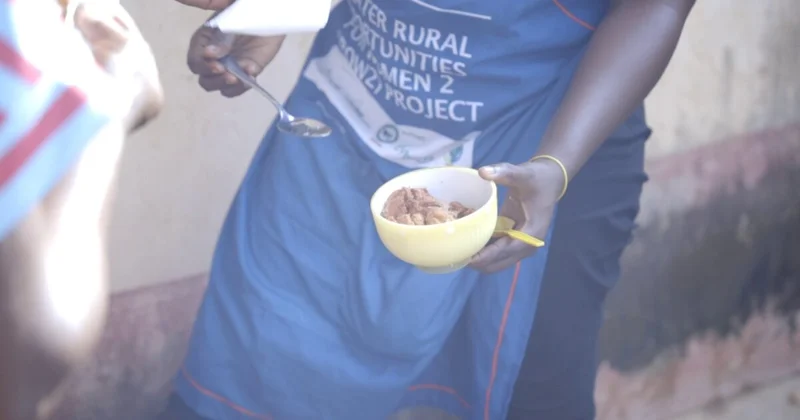
Researchers from the Kwame Nkrumah University of Science and Technology (KNUST) have identified a critical "hidden nutrition gap" in the Saboba District of Northern Ghana. Despite the availability of nutrient-dense local ingredients, high rates of malnutrition persist among children and pregnant women due to a lack of knowledge regarding proper food preparation. A research team led by Dr. Abena Boakye is now working directly with these communities to bridge the gap by introducing improved recipes and nutritional education.
The study revealed that while the Saboba District produces various highly nutritious foods, their health benefits are often under-realized because of traditional preparation methods or a lack of awareness. Specifically, the researchers highlighted the untapped potential of local ingredients such as soybeans and shea leaves. These items are readily available in the local environment but are frequently underutilized in daily diets. By focusing on these indigenous resources, the KNUST team aims to provide a sustainable solution to food deficiency that does not rely on expensive external supplements.
To address these findings, the project has transitioned into a community-based training phase. Dr. Boakye and her team are conducting workshops to teach residents how to incorporate these local ingredients into common household meals more effectively. This includes demonstrating cooking techniques that preserve essential vitamins and minerals. The initiative emphasizes practical, hands-on learning to ensure that the dietary improvements can be sustained by the residents independently.
This intervention comes at a crucial time as local food systems in Northern Ghana face increasing pressure from economic fluctuations and climate change. By empowering communities to better utilize their own agricultural outputs, the KNUST research seeks to build more resilient food systems. The ultimate goal of the project is to reduce the prevalence of stunting and maternal anemia in the district, creating a model for nutritional self-sufficiency that can be replicated in other regions of Ghana.