••
KNUST launches winter school to develop African-led AI healthcare solutions
•2 min read•1 source
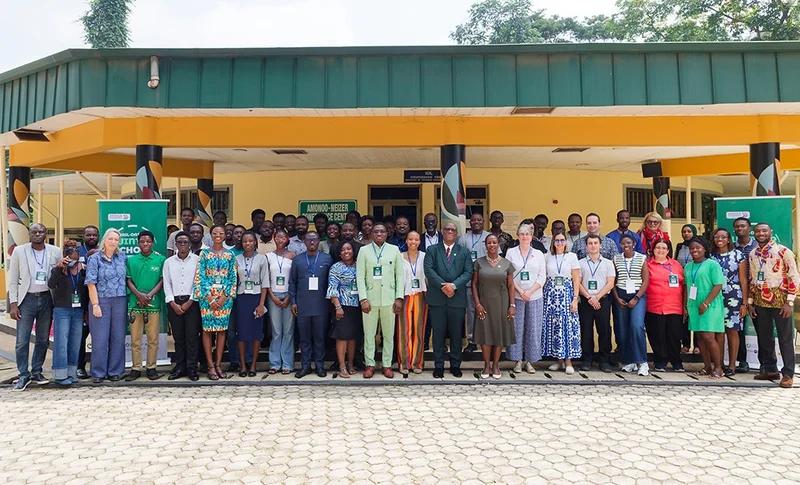
The Kwame Nkrumah University of Science and Technology (KNUST) has inaugurated a specialized winter school dedicated to creating responsible, African-led Artificial Intelligence (AI) solutions for the healthcare sector. Hosted by the university's Responsible Artificial Intelligence Lab (RAIL), the initiative aims to address local medical challenges using technology tailored to the continent's specific needs and data. This program forms part of the broader Africa Forward AI Clusters initiative, which facilitates high-level collaboration between academic and research institutions across six African nations and France.
The curriculum focuses on practical AI applications, with a significant emphasis on improving stroke diagnosis. Participants will utilize brain scans specifically from Ghanaian patients to train and refine AI models, ensuring the resulting technology is grounded in local demographics rather than relying solely on foreign datasets. Professor Jerry John Kponyo, the Scientific Director of RAIL, emphasized that AI serves as a vital tool for extending healthcare access to underserved populations. He noted that while technology is the driver, the core priority remains patient-centered care and the ethical deployment of these advanced innovations.
Highlighting the strategic importance of the program, Acting Pro Vice-Chancellor Professor Kwabena Biritwum Nyarko spoke on the necessity of "AI sovereignty" during the launch event. He encouraged the development of homegrown solutions to reduce dependency on external technologies and to better address the unique public health strategies of the region. Beyond stroke diagnosis, the winter school is designed to tackle various healthcare hurdles, including the identification of rare diseases and the optimization of resource allocation within clinics and hospitals.
By fostering a robust network of local AI research and training, the initiative aims to bridge the gap between theoretical studies and commercial applications that can be integrated into Ghana’s national healthcare system. The collaboration between the six participating African countries ensures a diverse exchange of knowledge, positioning the continent to lead in the development of responsible AI. This effort is expected to enhance diagnostic accuracy and provide a sustainable blueprint for how academic research can directly improve public health outcomes across Africa.
