••
Kinshasa Restores Urban Train Service After 15-Year Hiatus to Tackle Chronic Traffic Congestion
•2 min read•1 source
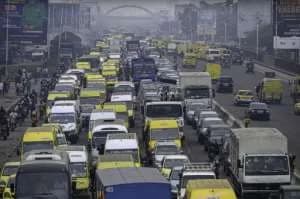
Residents of Kinshasa, the sprawling capital of the Democratic Republic of Congo, have welcomed the return of the city’s urban train service after a nearly 15-year suspension. The revival of the rail link, which connects the city center to the international airport, is a critical development for a metropolis of 17 million people known for its debilitating traffic gridlock. As the sky-blue carriages once again traverse the tracks, the service offers a glimmer of hope for commuters who have long struggled with unreliable and often dangerous transport alternatives.
The resumed service is a centerpiece of the broader MetroKin project, an ambitious initiative designed to modernize urban mobility in one of Africa’s largest cities. Currently operating a daily round trip, the train provides a structured alternative to the chaotic flow of motorbikes and minibuses that dominate the capital's streets. Ticket prices have been set between 2,000 and 5,000 Congolese francs, catering to different passenger classes and ensuring the service remains accessible to a significant portion of the working population.
While the return of the train has been met with enthusiasm, the experience is not without its challenges. Passengers have noted that the carriages, while functional, often become severely overcrowded and lack air conditioning—a significant discomfort in the tropical heat of Kinshasa. However, many residents argue that these inconveniences are a small price to pay for the relative speed and predictability of the rail service, which allows them to bypass the hours-long bottlenecks that typically characterize the commute from the airport.
Looking ahead, the successful relaunch of this urban rail line serves as a foundational step for the Congolese government's infrastructure goals. By reintegrating rail into the city's transport fabric, authorities aim to reduce the carbon footprint of urban travel and improve the overall economic productivity of the capital. As the MetroKin project continues to evolve, the focus will likely shift toward increasing the frequency of trips and expanding the network to reach more underserved neighborhoods in the rapidly growing city.