••
Traditional Leadership in Focus: Uganda Mourns Youngest Monarch as Ghana Navigates Chieftaincy Milestones and Tensions
•3 min read•3 sources
The landscape of African traditional leadership has seen a period of profound transition and reflection this week, marked by the burial of a record-breaking monarch in Uganda and a mix of celebratory and security-related developments in Ghana. In western Uganda, thousands gathered on September 14, 2026, to lay to rest King Oyo Nyimba Kabamba Iguru Rukidi IV, who held the Guinness World Record as the world’s youngest reigning monarch. King Oyo, who ascended the throne at the age of three, passed away from cancer at 34. In a significant environmental tribute, the Anglican Church of Uganda has pledged to plant 15 million trees in his honor. However, the King's passing has triggered a succession dispute, with Prince Edward Rukidi Kijanangoma being installed as the new monarch amid opposition from sections of the royal family.
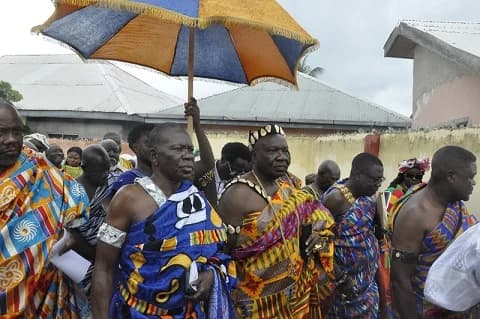
In Ghana, the traditional calendar presents a contrast between milestone celebrations and safety-related suspensions. In the North Dayi District, the streets of Vakpo were filled with cultural displays to launch the 25th anniversary of the enstoolment of Togbega Gbogbolulu V. The anniversary, themed "Bridging the Gap Between Chieftaincy and Intellectuals," is scheduled for July 2026. During the launch, Togbega Gbogbolulu emphasized the importance of unity and community development, a sentiment echoed by the Volta Regional Peace Council and local government officials who praised the chief’s quarter-century of leadership and his role in maintaining regional stability.
Conversely, the Western Region of Ghana faces cultural setbacks as the Regional Security Council (REGSEC) was forced to halt the Ahanta Kundum festival due to escalating chieftaincy tensions and public safety concerns. Kingmakers in the Ahanta land expressed disappointment over the suspension, noting that the festival is not only a cultural cornerstone but also a vital driver for tourism and local economic growth. The Western Regional Minister has stressed that while the festival's value is undeniable, the preservation of life and property remains the priority, necessitating a suspension until stakeholders can resolve disputes through amicable dialogue.
These events across the continent underscore the evolving role of traditional authorities in modern governance and regional development. Whether mourning a young leader in Uganda or navigating the complexities of festival organization in Ghana, the intersection of cultural heritage and public security remains a delicate balance. Moving forward, the emphasis remains on fostering peace and cooperation, as traditional leaders are increasingly seen as pivotal figures in bridging the gap between historical customs and the intellectual and economic demands of the 21st century.