••
King Mohammed VI declares Morocco-Spain migration pact has hit its limits
•2 min read•1 source
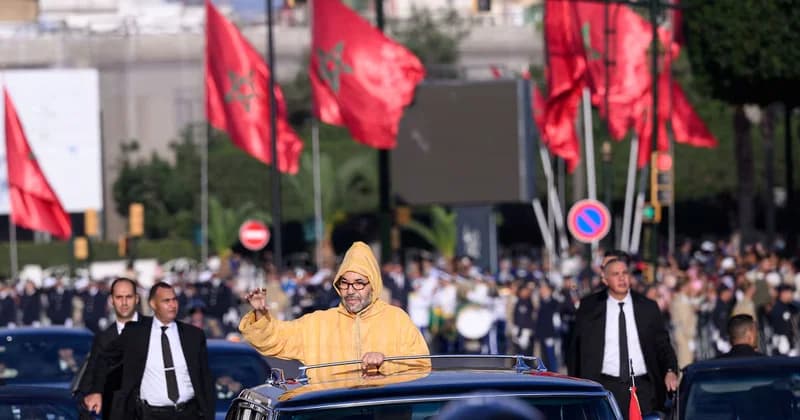
King Mohammed VI of Morocco has declared that the existing migration cooperation model between his country and Spain has reached its limits. While acknowledging "concrete results" in managing irregular flows, the King noted that recurring crises have demonstrated the need for a fundamental shift in strategy. The statement follows a period of intense activity at the borders of Ceuta, where approximately 70,000 individuals attempted to cross into the Spanish enclave in July alone, straining current management protocols.
The King specifically pointed to legal and procedural hurdles within the Spanish system as a primary cause of the current stalemate. He criticized "outdated" Spanish court decisions, which he argued frequently block repatriation efforts. These judicial interventions have resulted in thousands of migrants, including many minors, remaining in Ceuta despite bilateral agreements intended to facilitate their return. According to the Moroccan monarch, these legal frictions have increasingly undermined the efficacy of the security-focused cooperation between the two nations.
Despite these tensions over migration management, broader diplomatic relations have seen significant improvement since Spain expressed support for Morocco’s autonomy plan regarding Western Sahara. To build on this diplomatic foundation, King Mohammed VI proposed a transition toward a partnership centered on shared regional development and stability. This proposed framework aims to address migration through economic cooperation and long-term regional stability rather than relying solely on border enforcement and repatriation protocols.
