••
King Misuzulu kaZwelithini Welcomes Thousands of Maidens for Annual Zulu Reed Dance in Ingwavuma
•2 min read•1 source
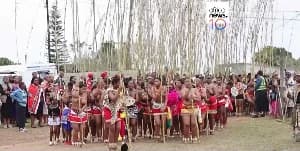
The streets of Ingwavuma in KwaZulu-Natal, South Africa, were transformed into a sea of color and traditional song this past Saturday as thousands of young Zulu women gathered for the annual Reed Dance ceremony. This centuries-old tradition, which takes place every September, saw "maidens" from across the region congregate to celebrate their heritage and pay homage to the Zulu monarchy. The event remains one of the most significant cultural milestones for the Zulu nation, drawing participants and spectators into a vibrant display of communal identity.
Central to the festivities was the presentation of long reeds to the Zulu King, Misuzulu kaZwelithini, at the royal palace. The act of carrying and presenting these reeds serves as a symbolic gesture of respect and loyalty to the King. The ceremony is not merely a display of traditional attire and dance; it is a significant cultural rite that emphasizes the importance of preserving Zulu customs among the younger generation. The processional of the maidens through the streets highlighted the deep-seated respect for the monarchy that remains a cornerstone of the province's social structure.
Participants, adorned in bright outfits and traditional beadwork, filled the atmosphere with rhythmic dancing and chanting, creating a spectacle that resonated throughout the Ingwavuma community. The gathering serves as a public affirmation of cultural values and a connection to ancestral history. For the thousands of young women involved, the ceremony is an opportunity to express their cultural pride and participate in a shared history that has survived into the modern era.
As one of the most prominent cultural gatherings in Southern Africa, the Reed Dance ceremony continues to play a vital role in the social fabric of KwaZulu-Natal. By bringing together such a large number of young people, the event ensures that the traditions of the Zulu nation remain a living part of South Africa's modern identity. The successful conclusion of this year's ceremony further solidifies King Misuzulu kaZwelithini's position as the spiritual and cultural leader of his people, bridging the gap between historical tradition and the contemporary world.