••
President Salva Kiir Dissolves South Sudan Government Ahead of Historic Polls Amidst Continental Shifts in Governance and Conflict
•3 min read•26 sources
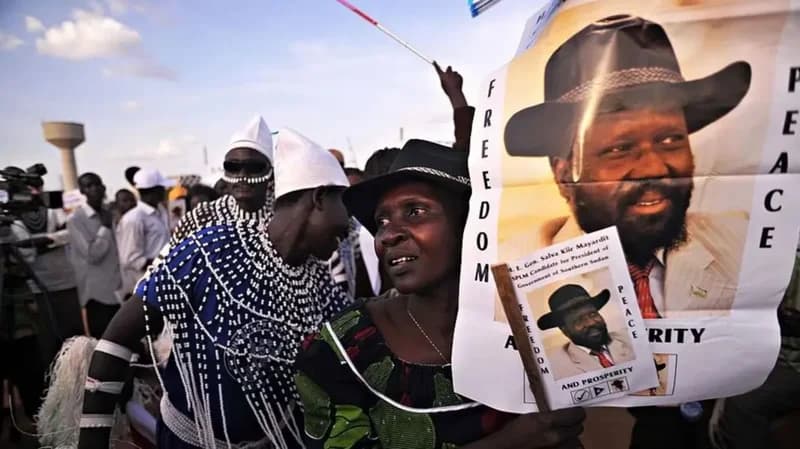
President Salva Kiir of South Sudan has issued an executive decree dissolving the nation’s transitional unity government, marking a definitive end to the power-sharing arrangement established by the 2018 peace agreement. This significant move, aimed at preparing for the country’s first-ever national elections scheduled for December 22, resulted in the removal of all vice-presidents, cabinet ministers, and local administrators. While Kiir remains in office, a caretaker administration has been appointed to manage essential functions. However, the consolidation of power and the ongoing house arrest of opposition leader Riek Machar have sparked concerns among political analysts and human rights groups like Amnesty International regarding the democratic integrity of the upcoming polls.
The broader landscape of African governance reflects a similar tension between institutional processes and public disillusionment. In Morocco, the Authenticity and Modernity Party (PAM) secured a majority in recent parliamentary elections with 97 seats, yet the victory was overshadowed by a record-low voter turnout of 38%. This apathy, particularly among youth facing high unemployment and inequality, mirrors the sentiment in São Tomé and Príncipe, where voters express skepticism ahead of upcoming legislative elections due to a history of unfulfilled economic promises. Similarly, in Madagascar, Gen Z activists who were instrumental in the recent transition of power now report feeling "betrayed" by the new administration, citing violent crackdowns and a return to old political tactics despite initial hopes for reform.
Regional stability remains precarious as Ethiopia faces the threat of a return to full-scale conflict. The Tigray People’s Liberation Front (TPLF) and federal forces have exchanged accusations of launching new offensives, with TPLF forces reportedly seizing control of airports and towns in the Afar and Amhara regions. Amidst this instability, international justice saw a breakthrough as the International Criminal Court (ICC) convicted former Seleka leader Mahamat Said Abdel Kani of crimes against humanity for his role in overseeing torture within the Central African Republic. Additionally, Algeria is debating the expansion of the death penalty for arsonists following devastating wildfires, while in Mozambique, a UK coroner’s inquest into a 2021 jihadist siege highlighted the ongoing human toll of extremist violence and the scrutiny facing corporations like TotalEnergies during crisis evacuations.
On the diplomatic front, Morocco has gained significant international traction regarding its sovereignty over the Sahara region. Both Jamaica and Chile have recently expressed formal support for Morocco’s Autonomy Plan, endorsing it as a feasible political solution under Moroccan sovereignty. During the 81st UN General Assembly, Jamaica’s Foreign Minister, Kamina Johnson Smith, welcomed UN Security Council Resolution 2797, which supports negotiations based on the plan. This aligns with Chile’s recent commitment to enhance economic cooperation in the region and initiate a free trade agreement. Together, these developments highlight a continent in a state of profound transition, balancing the pursuit of democratic milestones against deep-seated economic grievances and volatile security challenges.


