••
United Nations building damaged by drone strikes in Khartoum
•2 min read•1 source
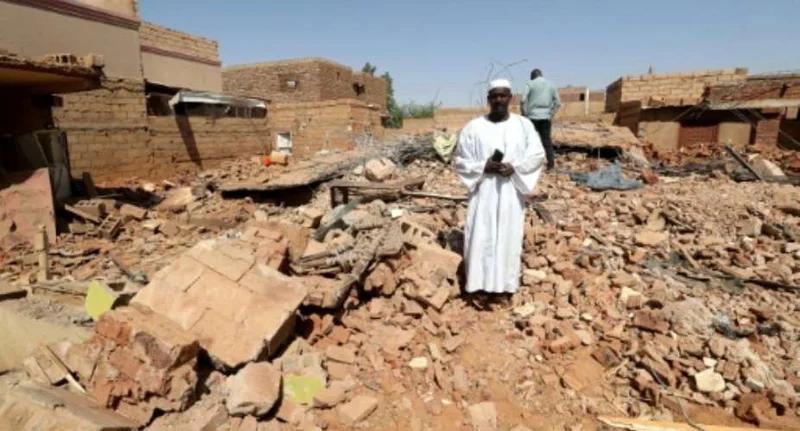
Drone strikes targeted Sudan's capital, Khartoum, in the early hours of Sunday, causing significant damage to residential areas and a United Nations facility. The attacks, which occurred between 2:00 am and 4:30 am, highlight the intensifying use of unmanned aerial vehicles in the nation's ongoing civil war. Witnesses reported multiple explosions that rattled the city, marking a dangerous escalation in urban warfare. The strikes resulted in the destruction of at least one residential home and caused substantial damage to a building belonging to the United Nations. While casualties from this specific incident are still being assessed, the UN has issued a sharp condemnation of the attack, emphasizing the grave risks posed to civilians and humanitarian personnel. The rise of drone technology in the conflict has increasingly put non-combatants in the crosshairs, with reports indicating a surge in child casualties across the country. A source within the Sudanese army alleged that the drones were launched from Bahir Dar airport in neighboring Ethiopia. This accusation adds a complex diplomatic layer to the incident, potentially straining regional relations. However, Ethiopian officials have categorically denied any involvement in the strikes or the provision of its territory for such operations. The conflicting accounts come as international observers watch for signs of external intervention in the internal Sudanese power struggle. The conflict, which erupted in April 2023, has already claimed an estimated 200,000 lives and displaced millions. The transition to sophisticated drone warfare represents a shift in military tactics that often bypasses traditional frontline defenses, bringing the violence directly into the heart of densely populated neighborhoods. As the United Nations and humanitarian groups call for a cessation of hostilities, the continued targeting of civilian infrastructure remains a major obstacle to any potential peace process.
