••
Keri community remains deserted as 6,000 residents flee ethnic tensions
•2 min read•1 source
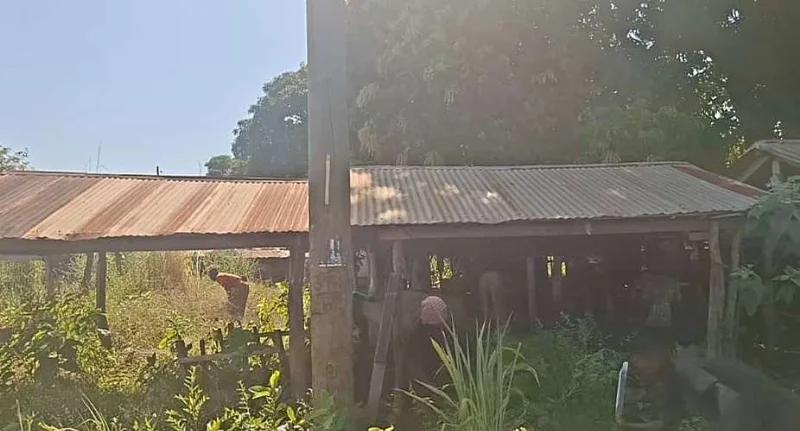
More than 6,000 residents of Keri, a farming community in the Oti Region, remain in exile months after a security evacuation order was issued on June 18, 2026. The once-vibrant town has been transformed into a ghost town due to escalating tensions between the Akyode and Challa ethnic groups. Security authorities mandated the evacuation to prevent communal violence, but the prolonged absence of the population has left the settlement entirely abandoned and vulnerable.
The physical state of Keri reflects the suddenness of the exodus. Homes stand empty, and what were once bustling streets are now overgrown with vegetation. This neglect has raised significant concerns among local observers about the risk of bushfires and further property damage to the abandoned structures. Families who fled the community are currently struggling to secure temporary accommodation and access basic necessities, as their primary source of livelihood—farming—has been completely disrupted by their displacement.
While local authorities and peace mediators are working to restore calm, the return of the residents is contingent on establishing a stable security environment. There are growing calls for humanitarian assistance to support those in exile, as the immediate needs of the displaced population become increasingly urgent. The situation highlights the difficult balance for regional officials between maintaining strict security measures to prevent ethnic conflict and addressing the socio-economic collapse of a major farming hub.
Uncertainty continues to loom over the future of Keri. Although mediation efforts are ongoing, no definitive timeline has been established for the safe return of the displaced residents. The community’s transition from a productive agricultural center to a silent, overgrown settlement serves as a stark reminder of the impact of communal conflict on local stability and regional food security. Until a lasting peace is brokered, the 6,000 residents remain in a state of precarious exile.
