••
Kenya records milk price of 100 shillings for 500ml packets
•2 min read•1 source
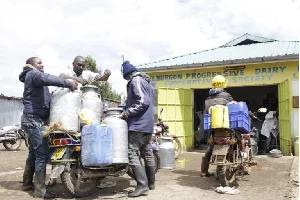
Kenya is currently grappling with a significant milk shortage driven by prolonged dry weather conditions, which have severely impacted dairy farmers across the country. The scarcity has led to a sharp increase in prices and reduced availability of essential dairy products in major urban centers, including the capital, Nairobi. Residents are finding it increasingly difficult to source their preferred brands as the agricultural sector struggles to maintain supply levels under the environmental strain.
In Nairobi, the cost of a 500ml packet of milk has surged, with prices for popular brands such as Tuzo, Dairy Best, and Mt Kenya now ranging between 79 and 89 Kenyan shillings ($0.61 to $0.68). In some smaller local retail shops, the price for the same quantity has reached as high as 100 Kenyan shillings ($0.77). While some newer, less established brands are entering the market at a lower price point of approximately 65 shillings ($0.50), the overall shortage of dominant market brands has created a visible gap on supermarket shelves.
The supply deficit stems directly from a lack of rainfall, which has depleted grazing land and increased the cost of animal feed for dairy farmers. This environmental pressure has forced a contraction in milk production, leaving processors unable to meet national demand. As the dry conditions continue, there are concerns that the shortage could persist, further straining household budgets in a country where milk is a staple dietary component. Industry stakeholders are monitoring the situation closely, hoping for the onset of rains to alleviate the pressure on livestock and stabilize the market.