••
African Elephants in Kenya Observed Using Medicinal Plants to Self-Medicate and Treat Family Members
•2 min read•1 source
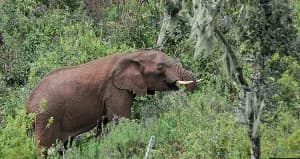
Researchers have discovered that African elephants in the Mount Elgon region of Kenya possess a sophisticated understanding of their environment, specifically utilizing various medicinal plants to treat themselves and their families when ill. The study reveals that these majestic animals do not just forage for food but selectively identify and consume specific vegetation with therapeutic properties to manage various health conditions. This instinctual knowledge highlights a complex level of self-care and social support within elephant herds that had previously been less documented in this specific region.
The findings are rooted in traditional ecological knowledge gathered through extensive interviews with local residents and individuals who live and work in close proximity to the elephants in Mount Elgon. These community members have observed the elephants' medicinal practices firsthand, providing scientists with valuable insights into the animals' behavioral patterns. By cross-referencing local observations with botanical data, the study confirms that the plants selected by the elephants are known to contain compounds that aid in recovery from sickness, suggesting a deep-seated evolutionary adaptation to their local flora.
This research carries significant implications for wildlife conservation and habitat protection across the continent. Conservationists emphasize that protecting the biodiversity of regions like Mount Elgon is essential not only for the survival of the species but also for the preservation of the 'natural pharmacies' upon which these animals rely. Furthermore, the study underscores the importance of integrating local community perspectives into scientific research, demonstrating how the relationship between humans and wildlife can lead to a greater understanding of the natural world and the complex behaviors of Africa's most iconic species.