••
Keara Shaw and Ghanaian Officials Advocate for Localized Mining Security and Inclusive Climate Adaptation Strategies
•3 min read•3 sources
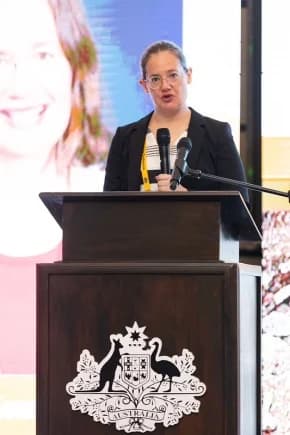
Accra has become a focal point for critical regional dialogues this week as government officials and international experts call for localized, inclusive approaches to resource security and climate resilience. At the sixth West Africa Mining Security (WAMS) Conference, the Australian High Commissioner-designate to Ghana, Keara Shaw, joined Ghanaian officials to emphasize that security in the mining sector must extend beyond simple protection of assets. She argued that a modern security framework must protect people and legitimate economic activities while simultaneously addressing the threats of organized crime and environmental degradation. Shaw stressed that long-term sustainability in the industry is only achievable when security measures are integrated with environmental best practices and constant community dialogue.
Supporting this perspective, Ghana’s Deputy Minister for the Interior, Ebenezer Okletey Terlabi, warned against the adoption of "one-size-fits-all" security models imported from outside the region. He noted that the unique political and economic landscapes of West Africa require adaptable strategies that account for specific local realities. Terlabi advocated for mining security to be viewed as a vital component of a broader national and regional security framework, rather than an isolated industrial concern. The conference served as a collaborative platform for mining executives and security professionals to share experiences and develop responses to the evolving threats facing the West African sub-region.
Parallel to these security discussions, a three-day workshop in Accra focused on the future of Ghana’s agricultural sector under the threat of climate change. Organized by a coalition including the Alliance of Bioversity International and CIAT, AGNES, and the University of Cape Town, the event gathered stakeholders to enhance climate adaptation tracking. Keynote speaker Nana Dr. Antwi-Boasiako Amoah, Chair of the African Group of Negotiators (AGN), urged for action-driven reporting that moves beyond theoretical planning to deliver tangible benefits to vulnerable communities. He highlighted the necessity of integrating gender equality and social inclusion into climate monitoring to ensure no segment of the population is left behind as the country navigates environmental shifts.
Both the mining and agricultural forums underscored a singular, urgent message: for West Africa’s primary industries to thrive, they must transition toward data-driven, contextualized governance. By linking local agricultural realities to global climate finance and aligning mining security with community well-being, Ghana and its neighbors aim to create more resilient economic foundations. These initiatives represent a concerted effort to strengthen national capacity and ensure that regional development strategies are both robust enough to meet global standards and sensitive enough to serve the needs of local citizens.


