••
KCCR Researchers Lead International Project to Develop Child-Friendly Ivermectin Trials
•2 min read•1 source
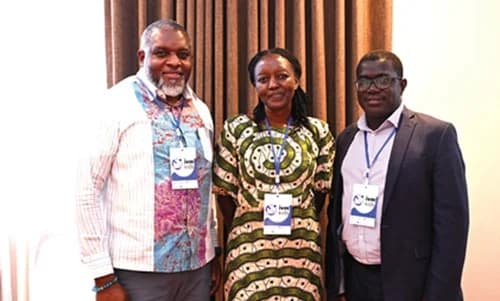
Scientists at the Kumasi Centre for Collaborative Research in Tropical Medicine (KCCR) at Kwame Nkrumah University of Science and Technology (KNUST) are spearheading a pioneering international project to make the parasitic treatment drug, ivermectin, safe for young children. Named IVM-KIDS, the initiative aims to bridge a critical gap in global health by developing and testing formulations specifically for children under the age of five and those weighing less than 15 kilograms. Currently, this demographic is excluded from using the prescription drug, leaving them vulnerable to various neglected tropical diseases (NTDs) that ivermectin is typically used to combat. The project marks a significant step forward in addressing the health inequities faced by the youngest and most vulnerable populations in tropical regions. The IVM-KIDS project is a collaborative effort involving several African and European institutions, supported by funding from the European Union. The research focuses on the pharmacology and safety of the drug in infants, seeking to validate dosages that can be administered effectively to patients who have previously lacked safe options. Professor John Amuasi, a lead researcher on the project, highlighted the drug's versatility, describing it as a wonderful drug used to address a wide range of health issues, particularly those categorized as NTDs. By establishing a child-friendly formulation, the project seeks to ensure that no segment of the population is left behind in mass drug administration campaigns. Clinical trials for the new formulation are scheduled to commence in 2027, following necessary regulatory approvals from health authorities. Dr. Stella Kepha, another key researcher in the initiative, emphasized that the studies are meticulously designed to answer the safety and efficacy questions required to integrate young children into national and international treatment programs. Beyond the immediate clinical trials, the initiative aims to generate robust, actionable evidence that will allow global health organizations to adapt their policies. If successful, this Ghanaian-led research could revolutionize the treatment landscape for parasitic infections, significantly reducing the burden of disease among the most vulnerable age groups across the continent.