••
Katlehong residents threaten election boycott over lack of electricity
•2 min read•1 source
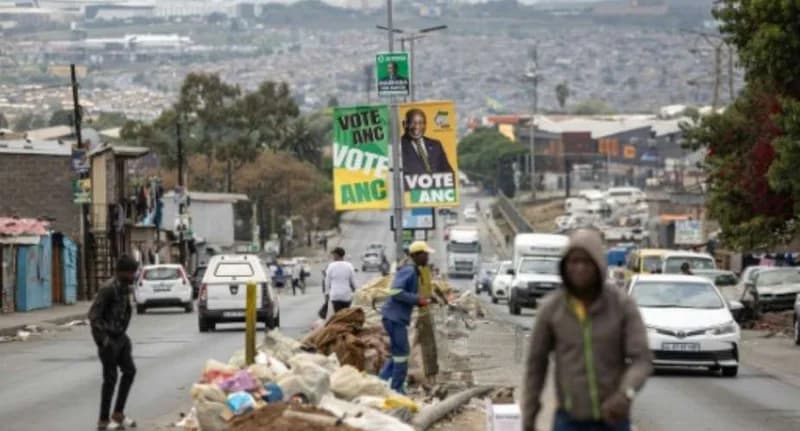
Residents of Katlehong, a township situated outside Johannesburg, have announced their intention to boycott South Africa's upcoming local elections. This decision comes as a protest against the African National Congress (ANC)-led municipality, which residents accuse of failing to provide basic services for over two decades. The ultimatum, "no electricity, no vote," highlights a deep-seated disillusionment with the governing party among its traditional support base in the region. The electricity situation in Katlehong has reached a breaking point, with approximately 180 households relying on illegal power connections for the past 20 years. Community members, including spokesperson Lesiba Rankapole, have voiced their extreme frustration with the municipality's inability to provide formal grid access. Beyond electricity, the community is grappling with inadequate water supplies and failing sewage management systems. These long-standing grievances have turned the township into a flashpoint for service delivery protests, with residents stating that years of broken promises have finally eroded their trust. This unrest reflects a broader national trend where the ANC, which has dominated South African politics since the end of apartheid, is seeing its electoral support erode. Recent data suggests the party's support has slipped below the 50% mark, emboldening opposition parties and independent candidates to contest previously secure ANC strongholds. In Katlehong, some residents have indicated they are contemplating a shift in loyalty toward the Democratic Alliance (DA), while others prefer to stay away from the polls altogether to signal their dissatisfaction with the status quo. The boycott threat serves as a significant indicator of the challenges facing the ANC ahead of the polls. As the municipality continues to struggle with infrastructure maintenance and service provision, the political landscape in South Africa's industrial heartland appears increasingly volatile. The outcome of the upcoming elections will likely depend on whether the government can provide concrete assurances and immediate improvements to the lives of township residents who feel abandoned by the state's failure to meet basic needs.