••
Kabaka Foundation Unveils GH‐1.3m Mental Health Unit at Eastern Regional Hospital Amid Rising Substance Abuse Crisis
•2 min read•3 sources
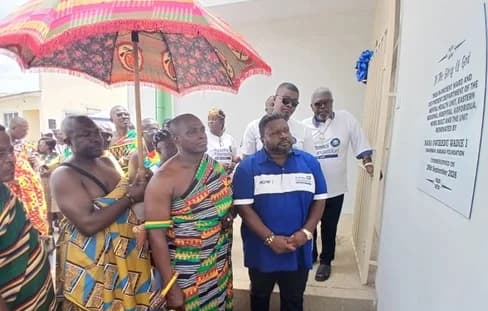
Ghana’s mental health system is facing a significant strain as illicit drug use continues to rise, prompting urgent calls for expanded infrastructure and a coordinated national intervention. Amidst these challenges, the Eastern Regional Hospital in Koforidua has received a major boost with the inauguration of the Nana Owiredu Wadie I Mental Health Unit. This GH‐1.3 million facility, funded by the Kabaka Foundation, arrives at a critical time as non-governmental organizations such as BasicNeeds-Ghana warn that nearly one million Ghanaians currently require rehabilitation for substance-related conditions.
The new 35-bed unit is designed to provide comprehensive care for individuals struggling with mental health issues and drug addiction. Equipped with modern wards, consulting rooms, and recreational areas, the facility aims to alleviate the chronic shortage of specialized resources in the Eastern Region. During the handover ceremony, health officials noted a sharp increase in mental health cases within the region, which rose from 3,200 in 2016 and is projected to reach approximately 6,264 by 2025. The expansion is expected to significantly improve healthcare access for vulnerable populations, particularly children and youth who are increasingly affected by substance abuse.
Beyond regional concerns, BasicNeeds-Ghana has raised alarms regarding the broader public health implications of current national drug trends. Executive Director Peter Bedimak Yaro highlighted a growing crisis involving hard drugs, prescription medications, and the misuse of energy drinks. The organization emphasized that the current mental health infrastructure is at risk of being completely overwhelmed without a robust preventive strategy. Furthermore, BasicNeeds-Ghana expressed reservations regarding the potential liberalization of cannabis cultivation, warning that such policy moves must be carefully balanced against stringent public health considerations to avoid exacerbating addiction rates.
Addressing this growing crisis requires a multi-faceted national response that goes beyond infrastructure. Health officials and advocacy groups are calling for enhanced community support, widespread public education, and a concerted effort to reduce the stigma associated with mental illness. As the Nana Owiredu Wadie I Unit begins operations, the focus remains on integrating prevention and rehabilitation into the broader healthcare framework to ensure that the rising demand for mental health services does not outpace the country’s capacity to provide professional care.
