••
Ghana Enterprises Agency and Chief of Staff Julius Debrah Align Strategic Investments with 24-Hour Economy Goals
•3 min read•6 sources
Chief of Staff Dr. Julius Debrah and the Ghana Enterprises Agency (GEA) are spearheading a coordinated effort to transform Ghana’s business landscape through strategic investments and a robust framework for Micro, Small, and Medium Enterprises (MSMEs). Speaking on the government's behalf, Dr. Debrah recently challenged the Greenhouse Group to ensure its large-scale agricultural, forestry, and livestock investments translate into tangible jobs and skill development for Ghanaians. This push is central to President John Dramani Mahama’s 24-Hour Economy vision, which seeks to maximize productivity and value addition through processing and logistics. Concurrently, the GEA has launched intensive stakeholder engagements to finalize its 2026–2030 Strategic Plan, themed "Aligning Development Partnerships for Sustainable MSME Growth and Economic Transformation."
GEA Chief Executive Margaret Ansei emphasized that the agency’s future roadmap focuses on enhancing enterprise competitiveness, digital transformation, and access to finance. This strategic shift comes at a critical time for Ghana’s MSME sector, which accounts for 80% of the national workforce and contributes significantly to the GDP, yet faces a daunting US$4.8 billion financing gap. Industry analysts have pointed out that while micro-enterprises often receive significant attention, the "missing middle"—medium-sized enterprises—requires more targeted support to drive the nation’s industrialization. The GEA’s upcoming plan aims to address these structural imbalances by fostering inclusive entrepreneurship and improving the long-term durability of Ghanaian businesses.
Parallel to these government-led initiatives, the Ghana Venture Capital and Private Equity Association (GVCA) is advocating for a shift in the domestic investment culture. GVCA CEO Amma Gyampo recently urged institutional investors, particularly pension funds, to look beyond traditional government securities and explore private equity and venture capital opportunities. By diversifying portfolios into growth-stage SMEs within sectors like agribusiness and healthcare, institutional capital can play a decisive role in job creation and long-term economic expansion. This mobilization of domestic capital is seen as essential for reducing the reliance on external funding and building a resilient private market ecosystem.
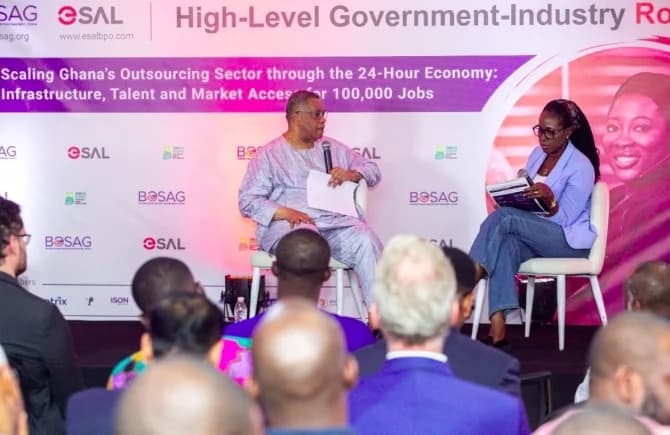
The service sector is also poised for significant expansion following the 24-Hour Economy Authority’s endorsement of the Business Outsourcing Services Association Ghana (BOSAG). A proposed service-export initiative known as "SERVE24" aims to position Ghana as a global outsourcing hub, leveraging the country’s political stability and English-speaking workforce to create an estimated 100,000 jobs. Combined with the Greenhouse Group’s modern agricultural projects, these initiatives represent a multi-sectoral approach to economic modernization. As the GEA refines its 2030 vision, the synergy between private capital diversification, outsourcing exports, and agricultural value addition is expected to define the next phase of Ghana’s economic development.

