••
Child Advocates Call for Youth-Inclusive Policies and Stronger Parent-Child Bonds to Enhance National Welfare
•3 min read•2 sources
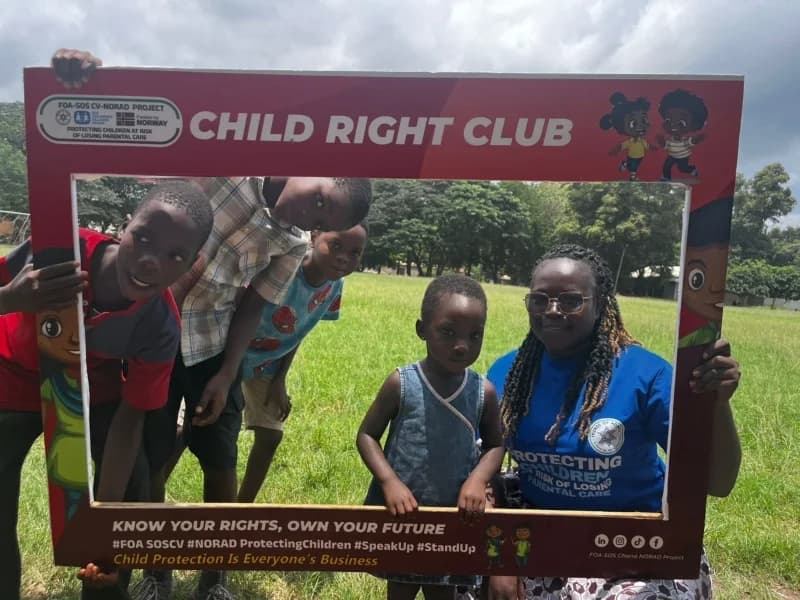
In a series of advocacy events held across Ghana, child welfare experts and protection officers are urging both the government and families to reform how they engage with children. During the Oguaa Fetu Afahye children’s day celebrations, child advocate Ms. Juanita Antwis emphasized that children should no longer be viewed merely as beneficiaries of social policies but as vital stakeholders. Simultaneously, in the Adaklu District, Ms. Roberta Donkor, a Child Protection Officer with the Friends of Adaklu (FoA), called for a cultural shift toward intimacy and trust within the home to better safeguard children from abuse. Together, these appeals highlight a growing national movement to prioritize children’s voices in both public policy and private life.
Ms. Juanita Antwis focused her advocacy on the structural inclusion of children in decision-making processes regarding education, health, and safety. Speaking to the media, she argued that the historical exclusion of youth perspectives has led to significant policy gaps that fail to address the lived realities of Ghanaian children. Antwis proposed the establishment of safe, child-friendly platforms where the youth can freely express their concerns and contribute to national development. She further called upon the government for more rigorous enforcement of existing child protection laws, noting that community vigilance and public awareness are essential to creating a supportive environment for the next generation.
At the grassroots level, the importance of domestic communication was underscored during a community engagement event in Adaklu Kodzobi. Ms. Roberta Donkor addressed parents and approximately 100 children, highlighting that a lack of trust often prevents children from reporting abuse or sharing their needs. By cultivating a culture of intimacy, Donkor noted, parents can ensure that their children feel secure enough to disclose challenges they face at school or in the community. The event, which combined recreational games with educational outreach, also reminded Community Child Protection Committees (CCPCs) of their critical role in maintaining local safety nets and monitoring the welfare of vulnerable minors.
These collective calls for action underscore a comprehensive approach to child development that spans from the household to the halls of government. While organizations like Friends of Adaklu work to improve living standards in resource-strapped districts through education and health initiatives, advocates like Antwis are pushing for a broader institutional recognition of child rights. The success of these efforts ultimately depends on a unified commitment from parents, traditional leaders, and state institutions to foster an environment where every child is heard, protected, and empowered to participate in shaping their own future.

