••
Jospong Group calls for private waste management investment at COP31
•2 min read•2 sources
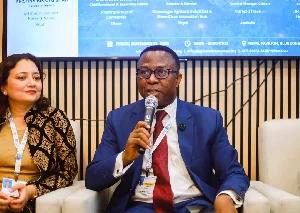
The Jospong Group of Companies has issued a call for increased private sector investment in African waste management infrastructure to help build climate-resilient economies. Speaking at the COP31 summit in Antalya, Türkiye, Dr. Noah Gyimah, the Group’s Chief Investment and Innovation Officer, emphasized that innovative financing and technology transfer are critical to addressing the environmental risks currently facing the continent. Dr. Gyimah highlighted the severe environmental and public health threats posed by inadequate waste disposal systems. He noted that in many African nations, over 60 percent of municipal waste is organic, and much of it ends up in landfills without proper separation. This lack of management often leads to catastrophic consequences, such as disease outbreaks and urban flooding, citing specific examples from the Ghanaian experience to illustrate these dangers. To bridge the significant funding gap in the sector, Dr. Gyimah proposed the use of structured investments that leverage private capital through long-term concession agreements. This approach, he argued, would relieve governments of heavy financial burdens while providing a stable environment for investors. He specifically advocated for tapping into institutional investors and pension funds to support green infrastructure projects tailored to localized needs. The call comes as the Jospong Group expands its operations across 23 African countries, demonstrating the scalability of indigenous waste management solutions. Dr. Gyimah concluded by stressing that attracting private capital requires a combination of human capital development, robust feasibility studies, and proactive disaster preparedness. He urged African governments to implement conducive policies that facilitate these private-sector partnerships to ensure sustainable urban development.
