••
Joshua Appiah-Kubi warns mining and chemicals threaten herbal medicine
•2 min read•1 source
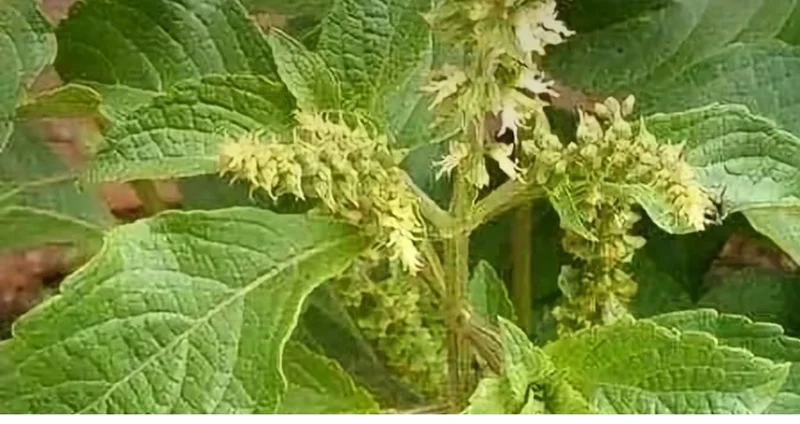
Joshua Appiah-Kubi of Poget Herbal has sounded an alarm over the increasing contamination of medicinal plants in Ghana, citing the dual threats of indiscriminate pesticide use and illegal mining. He emphasized that these activities are undermining the integrity of the country's herbal medicine industry, which many Ghanaians rely on for their primary healthcare. The contamination not only threatens the survival of rare plant species but also poses direct health risks to consumers who utilize herbal preparations derived from these compromised sources.
According to Mr. Appiah-Kubi, the widespread application of weedicides and pesticides by farmers often leads to toxic chemical residues being absorbed by nearby medicinal herbs. This indiscriminate spraying makes it increasingly difficult for herbalists to harvest safe, organic raw materials necessary for effective treatment. Furthermore, illegal mining activities, commonly known as galamsey, have led to the large-scale destruction of forests and ancestral lands where these plants grow naturally. The introduction of heavy metals into the ecosystem through mining further compromises soil quality, rendering many traditional medicinal sites permanently unusable.
The herbal practitioner urged farmers to adopt more responsible and sustainable agricultural practices to protect the nation's biodiversity and public health. He called on illegal miners to immediately cease their destructive activities, warning that the current rate of environmental degradation could leave future generations without access to essential natural remedies. By preserving these medicinal resources, Appiah-Kubi argues that Ghana can maintain its rich tradition of herbal medicine while ensuring the safety and efficacy of natural treatments for all citizens.
