••
Joseph Nelson calls for unified strategy to combat illegal mining
•2 min read•1 source
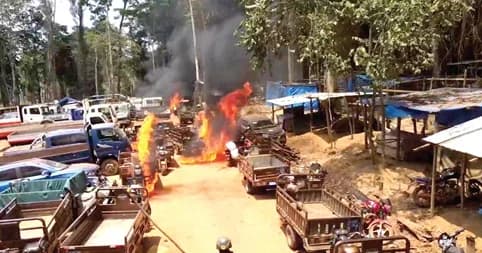
The Western Regional Minister, Joseph Nelson, has called for a more integrated and coordinated approach among state agencies tasked with ending illegal mining, known locally as galamsey. Speaking on the current state of forest protection, Mr. Nelson emphasized that the Forestry Commission, the National Anti-Illegal Mining Operations Secretariat (NAIMOS), and other relevant bodies must move away from independent operations. He warned that the lack of synchronization between these entities is currently undermining the broader national effort to secure critical ecological zones and forest reserves.
To address these challenges, the Forestry Commission is piloting a new security strategy focused on the Subri River Forest Reserve, an area of significant ecological importance that has been severely degraded by illegal mining activities. This initiative involves the establishment of dedicated security camps staffed with armed personnel and equipped with modern surveillance technology. The strategy aims to provide a constant presence within the forest to deter miners and ensure a rapid response to any detected incursions, addressing the limitations of previous periodic patrols.
While there has been some recorded progress in reducing the total area affected by mining in certain protected zones, Mr. Nelson noted that the threat remains significant due to the persistent nature of illegal operators. Miners often return to sites once security forces withdraw, taking advantage of the vast and dense terrain that makes monitoring difficult. The Minister maintained that only a unified front, supported by consistent surveillance and shared intelligence across all state agencies, can effectively protect the region’s remaining forest reserves from ongoing environmental destruction.

