••
Joseph Kony's LRA Remains Active in Central Africa as UN Reports Escalating Global Humanitarian Crises
•2 min read•2 sources
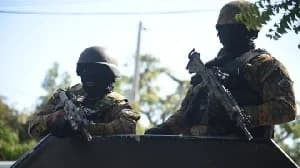
The International Criminal Court (ICC) has confirmed that Joseph Kony, the notorious leader of the Lord’s Resistance Army (LRA), remains active and continues to pose a significant threat in Central Africa after more than 20 years on the run. Despite the group being significantly diminished from its height, recent insurgent activities in the Central African Republic have resulted in the abduction of at least 25 children, signaling a resurgence of the LRA's brutal recruitment tactics. Leonie von Braun, a Senior Trial Lawyer at the ICC, emphasized that Kony’s ability to evade capture is rooted in his decentralized organizational structure and mastery of the difficult terrain. Founded in 1987, the LRA has been responsible for a catastrophic humanitarian toll, including the deaths of over 100,000 people and the displacement of two million in Uganda alone. The ICC views the pursuit of Kony as a critical test of international legal capabilities, especially regarding the protection of vulnerable populations and the prosecution of crimes against humanity. The LRA’s transition from a large-scale insurgency to a mobile, decentralized force has allowed it to survive despite long-standing international pressure and multiple attempts at capture. Adding to this global landscape of instability, the United Nations has recently highlighted a deepening crisis in Haiti, where gang violence has claimed thousands of victims. UN Human Rights Chief Volker Turk reported that at least 5,700 people have been killed or wounded this year, a figure likely to be an underestimate. The violence in Haiti is characterized by extreme human rights violations, including over 1,000 instances of sexual violence against women and girls and hundreds of kidnappings. Both the persistent threat of the LRA in Africa and the unchecked gang warfare in Haiti present profound challenges to global security and human rights. For the ICC and the UN, these crises underscore the urgent need for more effective international intervention and legal accountability. The ability of non-state actors like Kony to operate across borders with relative impunity remains a primary obstacle to establishing long-term peace and justice for the victims of these protracted conflicts.
