••
José Maria Neves seeks second term in Cape Verde presidential election
•2 min read•1 source
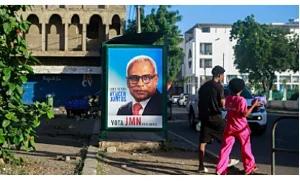
Incumbent President José Maria Neves is set to seek a second term in Cape Verde’s presidential election scheduled for this coming Sunday. Neves enters the race as the favored candidate, carrying the expectation of maintaining the island nation’s reputation for political order. The election is widely viewed by international observers as a significant test of democratic stability for the archipelago, which remains one of the continent's most consistent democracies despite a backdrop of regional volatility.
Cape Verde has distinguished itself as one of Africa’s strongest democracies, a status that is highlighted by its history of peaceful transitions of power and institutional governance. Unlike several countries in the broader West African region that have recently faced institutional crises or political shifts, the nation has maintained a steady commitment to electoral integrity. This upcoming vote serves as a crucial milestone to reinforce those democratic credentials and demonstrate the resilience of its political systems.
The timing of the election is particularly significant given the current landscape of regional instability. As a country that has successfully navigated the complexities of multi-party governance, Cape Verde’s ability to conduct a transparent and credible election is seen as a vital example for the sub-region. The incumbent's bid for a second term is framed not just as a political contest, but as a reaffirmation of the country's long-standing adherence to the rule of law.
As citizens prepare to cast their ballots, the focus remains on the peaceful conduct of the polls and the subsequent declaration of results. A victory for Neves would provide him with a renewed mandate to steer the country’s development policies for another term. The international community continues to monitor the process closely, as the outcome and the conduct of the election will further define Cape Verde’s standing as a beacon of democratic stability in Africa.
