••
Jos Leijdekkers accused of turning Sierra Leone into a narco-state
•2 min read•1 source
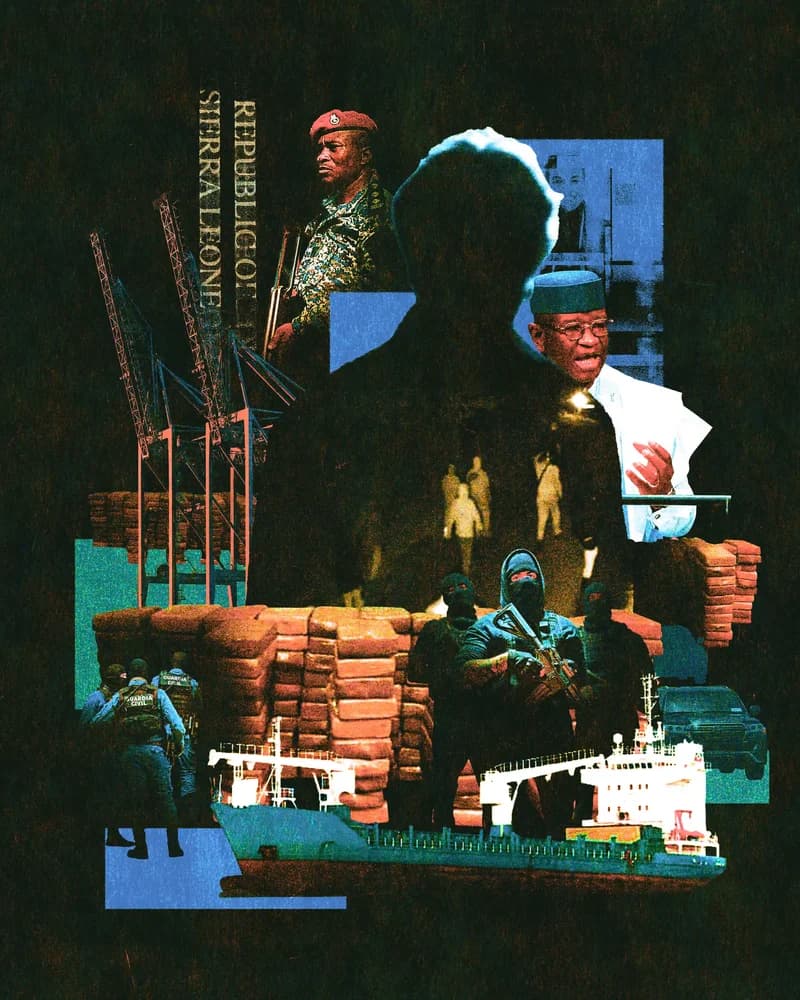
Jos Leijdekkers, one of Europe’s most wanted cocaine traffickers, has reportedly established a dominant drug-trafficking hub in Sierra Leone, transforming the West African nation into what many describe as a true narco-state. Leijdekkers, who is allegedly the son-in-law of President Julius Maada Bio, is accused of overseeing a massive expansion in cocaine shipments through the region. This growth has been accompanied by a significant surge in violent crime, including high-profile abductions and killings, which law enforcement officials link directly to the operations of the Dutch drug baron.
The rise of Leijdekkers’ influence in the country is underscored by a series of brazen abductions that have shocked the local population. Among the victims are Alan Jalloh, a well-known shopkeeper, and a prominent local footballer, both of whose disappearances have been tied to the underworld of drug trafficking. Tensions have further escalated following a major cocaine seizure involving a vessel known as the Arconian. Investigative reports suggest that these incidents are not isolated but are part of a broader pattern of bloodshed and intimidation used to maintain control over lucrative smuggling routes connecting South America to Europe via West African ports.
Despite the escalating violence and the international spotlight on Leijdekkers, local authorities in Sierra Leone have been accused of maintaining a strategic silence or being directly complicit in the operations. Law enforcement agencies have reportedly taken little to no action regarding the disappearances and murders linked to the drug trade, raising serious questions about state protection. The alleged familial ties between Leijdekkers and the presidency have further fueled concerns that the judicial and security systems in Sierra Leone are being compromised to facilitate illegal activities rather than upholding the rule of law.
The deteriorating situation in Sierra Leone poses a grave threat to the overall stability of the West African sub-region. International observers and foreign aid partners, including the European Union, are facing growing pressure to re-evaluate their engagement with President Bio’s government in light of these developments. As drug-related corruption deepens, there are fears that the state’s institutional integrity is being eroded, potentially creating a permanent haven for international criminal syndicates. The ongoing situation has prompted calls for increased international accountability and a more robust response to the transnational crime networks currently operating with apparent impunity.