••
Jones Afriyie-Anto warns GLEP targets experienced nurses for export
•2 min read•1 source
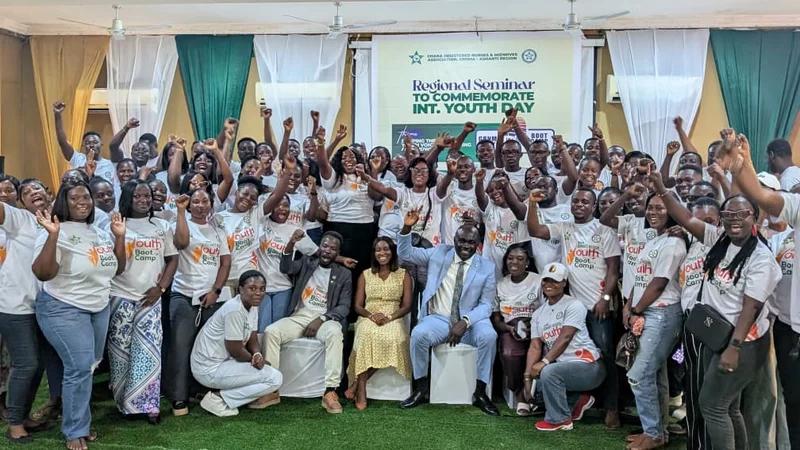
Jones Afriyie-Anto, the Ashanti Regional Chairman of the Ghana Registered Nurses and Midwives Association (GRNMA), has voiced strong opposition to the current implementation of the Ghana Labour Exchange Programme (GLEP). Speaking at a GRNMA Youth Boot Camp, he warned that the initiative is inadvertently fueling a brain drain by recruiting experienced healthcare specialists for international roles rather than focusing on the nation's pool of unemployed graduates. He argued that the policy as it stands could destabilize the domestic health sector by hollowing out the workforce in critical departments.
Afriyie-Anto highlighted a misalignment in the government's migration strategy, noting that while Ghana has a significant number of unemployed nurses and midwives awaiting placement, the GLEP is specifically headhunting veteran professionals. He emphasized that these experienced staff members are the backbone of the domestic health system, providing essential mentorship and high-level care. The loss of such expertise, particularly in specialized fields like oncology and emergency medicine, poses a direct threat to the quality of patient care in local hospitals and clinics across the country.
The concerns were raised during a youth engagement event designed to mentor and enhance the skills of nursing professionals. Keynote speaker Nelly Desiadenyo Goka encouraged the younger generation of nurses to step into leadership roles and maintain high standards of professionalism despite the challenges in the sector. Additionally, Philemon Adu Brempong, the Middle Zone Coordinator, addressed the financial struggles of unemployed nurses, advising them to seek alternative income sources in the interim while awaiting official placement or structured migration opportunities.
The GRNMA is calling on the government to restructure its international recruitment agreements to safeguard critical health services. By prioritizing the migration of newly graduated, unemployed nurses over experienced specialists, the association argues that Ghana can manage its labor surplus without compromising the stability of its internal healthcare infrastructure. The regional leadership stressed that a more balanced approach is necessary to ensure that international labor agreements do not come at the cost of Ghanaian lives.

