••
PAG Flagbearer Dr. John Kpikpi Proposes Radical Overhaul of Parliamentary Salaries to Prioritize Public Service
•3 min read•8 sources
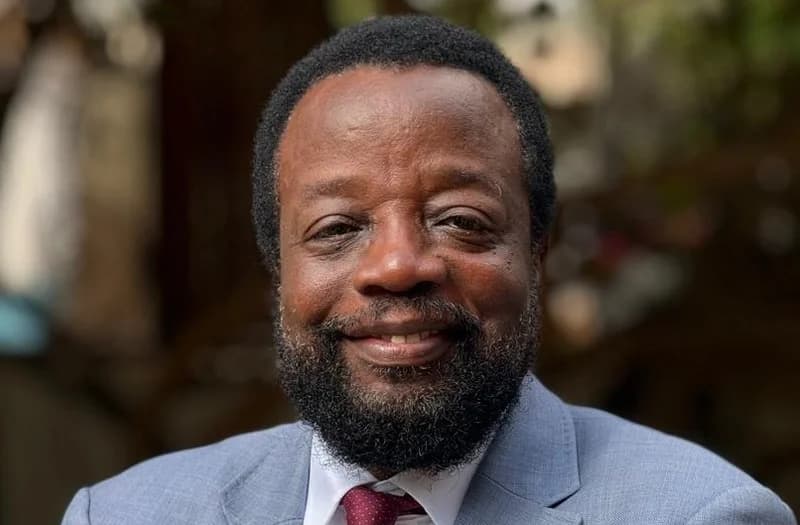
Dr. John Enyonam Kpikpi, the flagbearer of the Progressive Alliance for Ghana (PAG), has ignited a national conversation by calling for a fundamental review of the salaries, allowances, and privileges of Members of Parliament (MPs). Kpikpi argues that the current remuneration structure incentivizes personal enrichment over public service, attracting candidates motivated by wealth rather than national development. He proposes that MP compensation should be modest and comparable to that of other essential public professionals, specifically suggesting that salaries fall between the scales of teachers and medical doctors. According to Kpikpi, this reform would deter opportunists, reduce the financial desperation that leads to excessive campaign borrowing, and ultimately restore public confidence in Ghana’s political institutions.
Supporting this call for systemic change, the Gender Centre for Empowering Development (GenCED) has highlighted the detrimental impact of the current political-financial culture. Executive Director Esther Tawiah warns that the trend of MPs acting as personal financiers for their constituents—providing cash and school materials—creates unrealistic expectations and serves as a significant barrier to political inclusion. GenCED notes that this "financier model" of representation disproportionately hinders women, young people, and persons with disabilities from entering politics. By shifting the focus from personal philanthropy to policy-making, advocates believe the political landscape can become more accessible and representative of all Ghanaians.
Parallel to these calls for parliamentary reform, other sectors are pushing for clearer governance frameworks and legislative advancements. Torgbiga Adamah III, the Paramount Chief of the Somè Traditional Area, recently emphasized the need for explicit policy guidelines to define the roles of traditional authorities versus local government institutions to prevent administrative conflicts. Simultaneously, the Ghana Institution of Surveyors (GhIS) is advocating for the swift passage of its Governing Council Bill, which has already received Cabinet approval. GhIS President Surv. Emmanuel Kofi Cobbold stated that the bill is essential for enhancing institutional governance and operational efficiency, including a restructuring of professional conferences to minimize workplace disruptions.
On the international and social policy front, Ghana is preparing for increased oversight and calls for targeted investment. Koldo Casla, the UN Special Rapporteur on the right to adequate housing, is scheduled to visit the country from late September to October 2026 to evaluate housing affordability and the impact of climate change on living standards. In the realm of social welfare, UNICEF has urged the government to allocate GH₵30 million annually for Integrated Social Services (ISS) and GH₵1.4 million for the Social Welfare Information Management System (SWIMS). These funds are deemed critical for enhancing child protection across at least 100 districts, especially as funding from international development partners continues to decline.
These diverse developments underscore a growing demand for transparency and accountability within Ghana's public sector. From the Motor Traffic and Transport Department (MTTD) clarifying that most government vehicles are not exempt from tinted-window regulations, to the push for more attractive opportunities in agriculture and entrepreneurship for the youth, the current discourse suggests a pivot toward institutional integrity. As the 2028 elections approach, these proposed reforms in compensation, local governance, and social funding will likely remain central to the national agenda for building a more equitable and service-oriented state.
