••
John Jinapor aims to end liquid fuel procurement for power by 2027
•2 min read•1 source
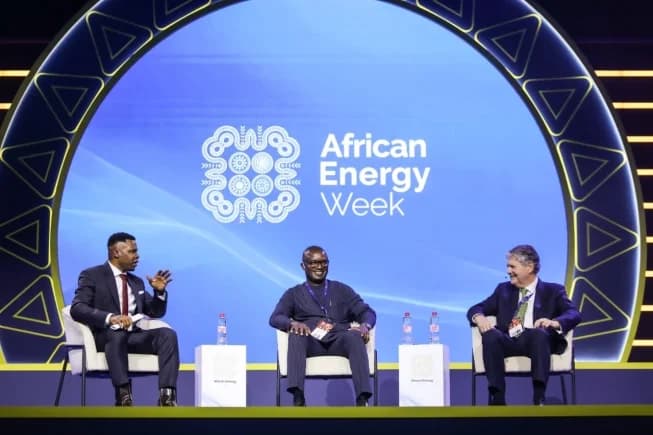
Energy Minister John Jinapor has announced that Ghana intends to stop the procurement of liquid fuels, including diesel and heavy fuel oil, for electricity generation by 2027. This strategic pivot is part of a broader national energy transition designed to replace expensive, carbon-intensive fuels with domestic natural gas and imports from Nigeria. By transitioning the power sector toward gas, the government aims to reduce the overall cost of electricity production while enhancing the efficiency and reliability of the national grid. The shift is seen as a crucial step in aligning Ghana's energy landscape with regional and international sustainability targets. The financial benefits of this transition are already significant, with the Ministry of Energy reporting savings of approximately $500 million over the past year. These savings have been achieved by prioritizing the use of domestic gas and optimizing existing processing facilities, which reduces the need for costly foreign fuel imports. As electricity demand in Ghana continues to rise, the government is focused on creating a resilient energy framework that can support industrial and residential growth without the financial volatility associated with global oil markets. This cost-reduction strategy is expected to provide much-needed stability for the energy sector. To support the 2027 target, several major infrastructure projects are currently in development. A key component of this plan is a 278-kilometre pipeline project that will facilitate more efficient gas distribution across the country. Additionally, the government has set a target of achieving 50% Liquefied Petroleum Gas (LPG) adoption within the next three years to further modernize the nation's energy consumption. These infrastructure investments are intended to complement the power generation shift, providing a robust backbone for the country’s long-term energy security and ensuring that natural gas remains the primary driver of development. This national strategy also reflects broader regional trends across West Africa, where countries like Senegal are also prioritizing domestic gas supply to fuel their economies. The African Energy Chamber has voiced support for these developments, emphasizing that natural gas is an essential resource for Africa's industrialization and economic independence. By strengthening regional cooperation and building cross-border infrastructure, Ghana and its neighbors are working to create a secure energy network that can withstand supply disruptions. The continued focus on domestic resource development is expected to foster sustainable economic progress and energy sovereignty for the years to come.


