••
Ghana’s Agricultural Sector Targets Self-Sufficiency as Tomato Prices Ease and Financing Reforms Take Shape
•3 min read•3 sources
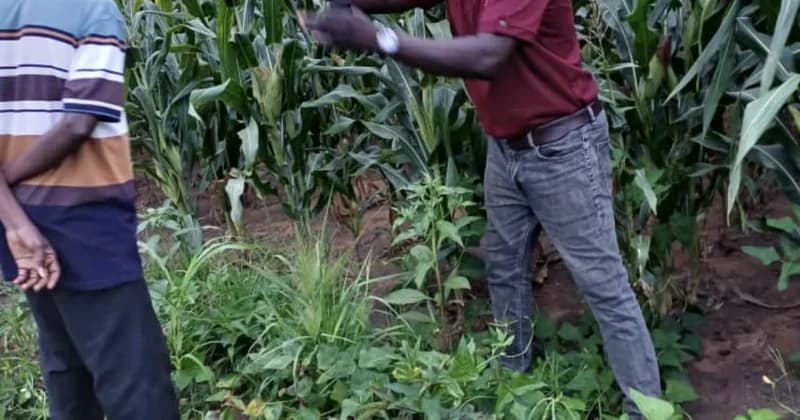
Ghana’s agricultural landscape is entering a period of significant transition as the government and financial institutions move to stabilize food prices and enhance local production. Deputy Minister for Food and Agriculture John Dumelo has announced that tomato prices are expected to drop sharply across the country in the coming weeks. This anticipated decline follows the commencement of local harvests, which are set to increase supply and alleviate market pressures that recently saw the price of a basket of tomatoes surge from GH¢200 to GH¢700. To ensure long-term stability, the government is preparing for large-scale dry-season tomato farming from December 2026 to June 2027, with land clearing and seedling preparation already underway in northern Ghana.
Parallel to these immediate market interventions, Fidelity Bank Ghana is advocating for a fundamental shift in agricultural financing to unlock the nation’s full economic potential. Speaking at the Ghana Horticulture Expo 2026, bank officials emphasized the need for a "value chain approach" rather than a focus on production volume alone. The bank highlighted a critical gap in value retention: while non-traditional agricultural exports generated US$710 million in 2025, cocoa paste alone reached US$789 million, illustrating the higher returns available through post-harvest processing. To bridge this gap, Fidelity Bank has facilitated over GHS 160 million in support for local exporters through partnerships with the Mastercard Foundation and the Fidelity Export Club.
Structural improvements remain a priority for both the private sector and local producers to ensure sustainable food security. Stakeholders are calling for expanded infrastructure, such as cold storage and logistics, to better connect farmers to markets and reduce post-harvest losses. These calls are echoed by leading producers like Sumaila Doho, the 2023 Upper West Regional Best Farmer, who has urged the government to prioritize local maize production over imports. Doho argued that implementing a guaranteed minimum price for farmers and investing in storage facilities would protect local producers from market volatility and help Ghana become a maize-surplus nation, reducing the economic drain of foreign imports.
As the government under President John Mahama continues to navigate global supply chain vulnerabilities, these combined efforts in price stabilization, innovative financing, and infrastructure development are aimed at securing Ghana's economic independence. While traders remain cautious due to recent low rainfall affecting some production areas, the push toward dry-season farming and de-risking agricultural lending through new collateral models signals a robust attempt to transform the sector. The success of these initiatives will be measured by their ability to provide consistent food affordability for consumers while ensuring profitable livelihoods for Ghanaian farmers.
Related topic
John Mahama: Latest News & Updates →

