••
Joel Afi Duah urges government to fund public institutions in Kumasi
•2 min read•1 source
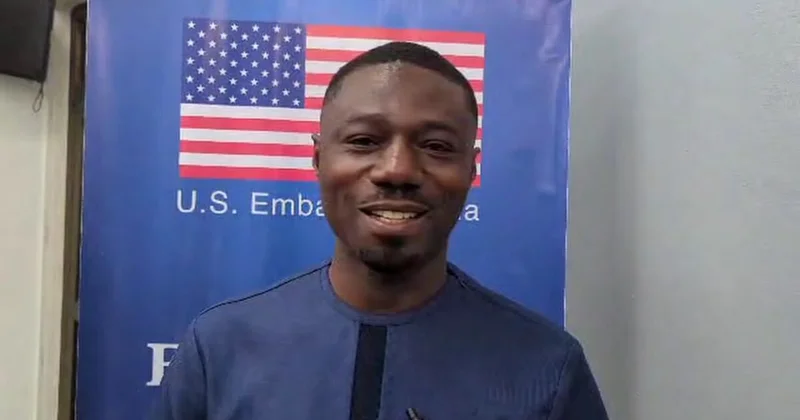
Dr. Joel Afi Duah, a 2019 Mandela Washington Fellow, has called on the Ghanaian government to increase investment in public institutions to safeguard the future of development initiatives. Speaking at the U.S. Embassy Ghana Exchange Alumni Summit in Kumasi, Dr. Duah warned that a growing reliance on international donors has become a vulnerability as global funding priorities shift. He stressed that while international fellowships provide invaluable training and networks, the ultimate success of these programs depends on domestic financial support to sustain projects on the ground.
The appeal highlights a critical challenge facing alumni of U.S. exchange programs, who are finding it increasingly difficult to access post-fellowship grants. According to Dr. Duah, recent donor cuts in the United States have restricted the flow of capital needed to implement community-based projects that utilize the knowledge gained abroad. These funding gaps hinder the ability of fellowship recipients to translate their international experience into local solutions, effectively limiting the reach of knowledge-transfer programs across the country.
The summit, which gathered approximately 100 alumni, was organized as part of the Freedom 250 initiative, a program commemorating the 250th anniversary of the United States. It served as both a celebration of the alumni's contributions to national development and a forum to address the structural barriers they face. Participants discussed the need for more robust local partnerships and institutional backing to ensure that the benefits of international exchange programs are not lost when external funding fluctuates.
In his concluding remarks, Dr. Duah urged the government to view funding for public institutions not as a burden, but as a necessary step in securing national progress. He argued that by bridging the financial gaps left by departing international donors, the state can preserve the gains made through years of partnership with the U.S. government. Ensuring that public institutions are well-resourced will allow exchange alumni to continue their work in sectors such as health and economic development, providing a stable foundation for the nation's growth.