••
John Jinapor says Ghana facilitates 40% of Burkina Faso petroleum transit
•2 min read•2 sources
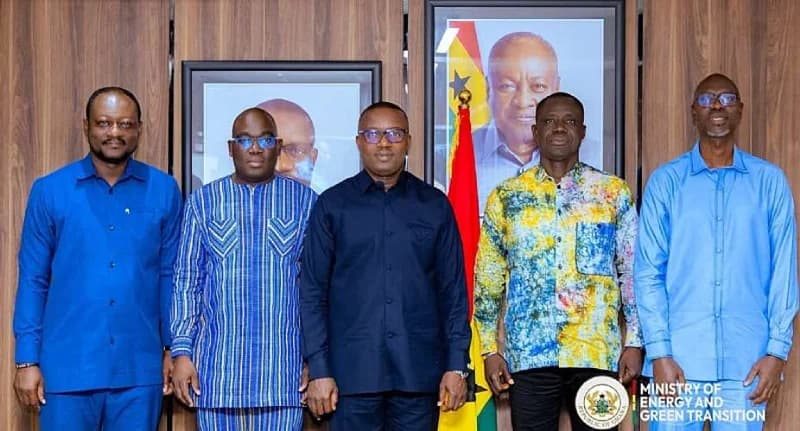
Ghana has significantly increased its role in the regional energy market, now facilitating the transportation of 40% of Burkina Faso’s petroleum products. This represents a substantial growth from just 15% two years ago, signaling a deepening of bilateral energy ties between the two West African nations. The milestone was announced following high-level discussions between Ghanaian energy officials and a delegation from Burkina Faso's national petroleum company, Société Nationale Burkinabè d'Hydrocarbures (SONABHY). The Minister for Energy and Green Transition, Dr. John Abdulai Jinapor, confirmed the development after meeting with a SONABHY delegation led by its Managing Director, Dr. Patrice Forogo. The discussions focused on enhancing collaboration in petroleum logistics and exploring other energy sectors for mutual benefit. The 25% increase in transit facilitation reflects Ghana's strategic focus on becoming a primary hub for petroleum distribution in the sub-region, leveraging its infrastructure to support landlocked neighbors. The Tema Oil Refinery (TOR) is central to this expanded partnership. During a visit to the refinery, TOR’s Managing Director, Edmond Kombat, hosted Dr. Forogo and his team to provide insights into the facility's operations and storage capabilities. The visit aimed to strengthen the operational ties between TOR and SONABHY, ensuring that the logistics chain remains efficient as demand from Burkina Faso grows. Kombat emphasized that the refinery is committed to fostering cross-border trade and maintaining high standards in its supply arrangements. The enhanced cooperation is expected to provide Burkina Faso with more reliable energy security while boosting Ghana’s transit revenues and the utilization of its petroleum infrastructure. Moving forward, both countries intend to refine their logistics frameworks to sustain this growth. This partnership aligns with broader regional integration goals under the Economic Community of West African States (ECOWAS), positioning the Ghana-Burkina Faso energy corridor as a model for intra-African trade and cooperation.


