••
Jemima Naana Boateng urges women to ignore breast cancer treatment fears
•2 min read•2 sources
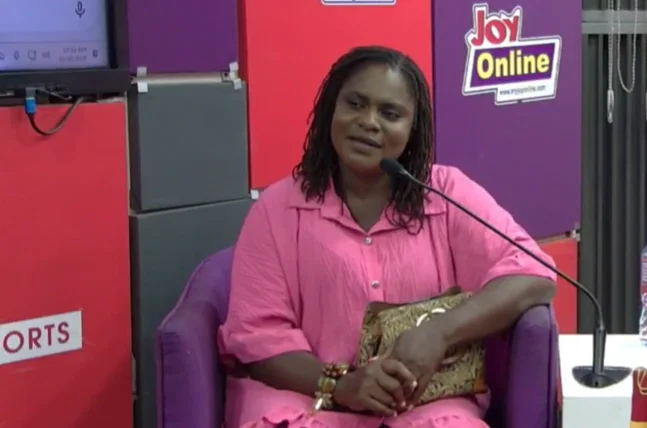
Jemima Naana Boateng, a breast cancer survivor, is calling on women to prioritize early detection and medical intervention for unusual breast changes. Her advocacy is rooted in her own journey of recovery and hope, culminating in the birth of her daughter at age 45 after completing intensive treatments including chemotherapy and surgery. By sharing her experience, she aims to dispel the myths and fears surrounding the disease that often lead women to delay seeking life-saving care.
Recounting her diagnosis, Boateng admitted she initially struggled with fear and uncertainty, spending four months without treatment. However, she eventually prioritized her health, undergoing a full regimen of chemotherapy, surgery, and radiotherapy. She emphasized that "healing starts from the mind," urging those diagnosed with the disease not to let the fear of treatment—particularly concerns about future motherhood or surgical scars—deter them from following medical advice. Her personal milestone of becoming a mother at 45 serves as a testament that life and family remain possible after a cancer diagnosis.
Beyond the medical aspect, Boateng addressed the social barriers that hinder recovery. She spoke out against the stigma and judgment often associated with breast cancer, which can prevent women from speaking out or seeking help. She also made a specific appeal to men, urging partners to provide emotional support rather than abandoning their wives during their treatment. According to her, the psychological well-being of a patient is critical to their physical recovery, and a supportive domestic environment plays a vital role in that process.
Boateng’s advocacy comes at a time when health professionals continue to stress that early detection is the most effective tool in reducing breast cancer mortality rates in Ghana. By encouraging women to seek immediate medical attention for any changes they notice, she hopes to reduce the instances of late-stage presentations that are harder to treat. Her message is clear: a diagnosis is not a death sentence, and with early intervention and a positive mindset, survivors can lead full and productive lives.


