••
Shawn Carter: Jay-Z Accuser Recants Sexual Assault Allegations, Admits Never Meeting Music Mogul
•2 min read•2 sources
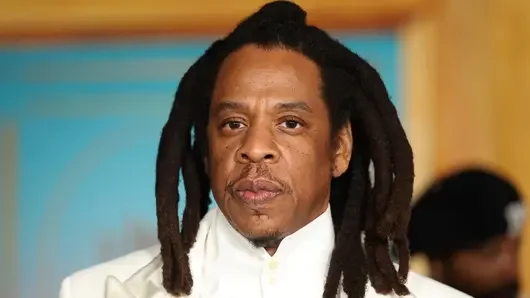
A woman who accused Shawn ‘Jay-Z’ Carter of sexual assault has officially recanted her claims, admitting in a sworn court declaration that she has never even met or spoken to the music mogul. The case, which drew significant international attention, involved allegations dating back to a 2000 MTV Video Music Awards afterparty where the woman originally claimed she was drugged and assaulted. The accuser, who initially filed the lawsuit under the pseudonym Jane Doe, stated that her previous assertions were ‘completely false,’ leading to her dismissal from the legal proceedings.
In her formal recantation, the woman explained that her initial claims were rooted in what she described as ‘repressed memories’ triggered by a social media advertisement seeking individuals with potential claims against Sean ‘Diddy’ Combs. She expressed significant doubt about her own timeline and memories, eventually concluding that the alleged incident never occurred. Crucially, she criticized her former legal representatives, asserting that they filed the high-profile complaint in late 2024 without her explicit consent or a thorough independent investigation into the validity of her claims.
Despite the accuser being dismissed from the case, the legal battle is far from over for the attorneys who brought the suit. Jay-Z’s legal team has characterized the initial allegations as a calculated attempt at extortion and blackmail. Consequently, Carter is continuing to pursue legal action against the woman’s former lawyers for malicious prosecution and extortion. His legal team maintains that the suit was part of a broader strategy to leverage the fame of high-profile celebrities for financial gain without factual basis.
The collapse of this case highlights growing concerns regarding the integrity of celebrity litigation and the ethics of memory recovery techniques in legal contexts. While the legal system remains a vital avenue for survivors seeking justice, this incident underscores the necessity for rigorous verification by legal professionals before filing life-altering accusations. This specific recantation serves as a rare and high-profile reversal in the public eye, emphasizing the importance of due diligence in the current climate of industry-wide litigation.
