••
James Town Fishing Harbour struggles with mounting plastic waste crisis
•2 min read•1 source
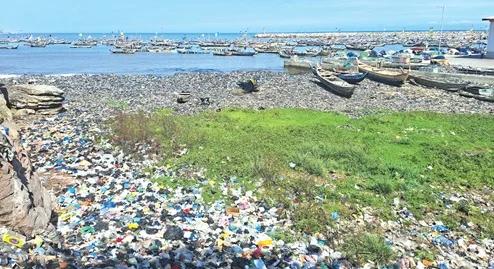
The James Town Fishing Harbour is currently grappling with a severe environmental and economic crisis as heavy plastic pollution transforms the coastal area into a virtual open-air landfill. Piles of plastic and organic waste have accumulated along the beach, severely impacting the operations of one of Accra's most vital fishing hubs. The situation has reached a critical point where the vibrant landscape is being overshadowed by debris, threatening both the ecological health of the marine environment and the physical safety of those working along the shore.
Local fishermen report a dire decline in their productivity, noting that they frequently haul in more plastic waste than actual fish during their expeditions. This imbalance is directly threatening the livelihoods of thousands of people who rely on the harbour for their daily income and food security. Beyond the immediate economic loss, a recent study has revealed alarming levels of microplastics within the local seafood population. This contamination poses significant health risks to consumers and further undermines the long-term viability of the fishing economy in the region.
Environmental experts and stakeholders are calling for urgent legislative intervention to address the root causes of this pollution. Proposed measures include the implementation of laws that would require plastic producers to manage the waste generated by their products, alongside a gradual ban on the most harmful types of single-use plastics. Without immediate action to improve waste management and regulate industrial output, the environmental disaster at James Town risks causing permanent damage to Ghana's coastal heritage and its fishing industry.