••
Jamaica Leads Reparations Push to King Charles as Former Sierra Leone Leader Returns Home
•3 min read•3 sources
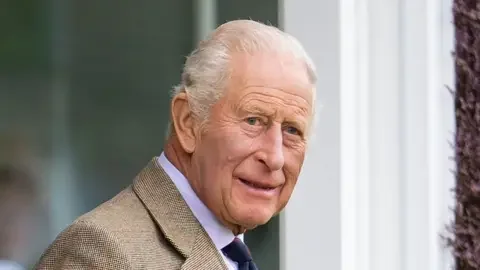
The Jamaican government, spearheaded by Culture Minister Olivia Grange, is preparing to submit a landmark petition to King Charles III seeking legal clarity and reparations for the historical injustices of slavery. The petition requests that the King refer three critical legal questions to the Judicial Committee of the Privy Council (JCPC). These questions aim to determine whether the enslavement of Africans was lawful under English law at the time, if it breached international law, and whether the United Kingdom bears a legal obligation to provide redress. Minister Grange emphasized that the move is not merely a demand for payment but a necessary step toward acknowledging historical grievances and seeking justice for African ancestors. The initiative highlights a stark contrast to historical precedents, such as the British government’s 19th-century decision to compensate slave owners for their financial losses while providing nothing to the enslaved people or their descendants.
In addition to the legal petition, the Jamaican government is engaging in high-level discussions regarding the repatriation of cultural artifacts currently held by the British Museum. Minister Grange noted that returning these items is essential for restoring national heritage taken during the colonial era. While previous United Kingdom administrations have consistently ruled out the possibility of financial reparations, a spokesperson for Buckingham Palace indicated that the King remains committed to addressing historical wrongs and ensuring the petition is handled through appropriate legal channels. This dual pursuit of legal recognition and the return of stolen heritage represents a significant escalation in Jamaica's efforts to hold the former colonial power accountable for its past actions.
Parallel to these developments in the Caribbean, West African politics saw a major turning point as former Sierra Leonean President Ernest Bai Koroma returned to Freetown after treason charges against him were dropped. Koroma had been residing in Nigeria since early 2024 for medical treatment following a violent 2023 coup attempt that resulted in multiple fatalities and subsequent military prosecutions. His return was marked by a high-profile reception involving foreign ministry officials and members of the opposition All People’s Congress (APC). As the country begins to look toward the 2028 presidential elections, Koroma expressed profound relief and happiness to be back on home soil, signaling a potential stabilization of the domestic political climate following years of legal uncertainty.
Meanwhile, diplomatic tensions remain high in the Sahel region as France formally dismissed accusations from Niger's military council regarding a failed mutiny. Niger’s ruling junta had alleged that Paris incited an August 29 uprising in which soldiers attempted to storm a military airbase and the presidential palace in Niamey. French Foreign Minister Jean-Noel Barrot characterized these claims as "pure fantasy," reflecting the increasingly fractured relationship between France and its former colony. These disparate events—from Jamaica's legal challenges to the British Crown to the shifting political landscapes in Sierra Leone and Niger—collectively underscore a global movement toward re-evaluating historical ties and asserting national sovereignty in the post-colonial era.