••
Ivory Coast scientists develop 11 drought-resistant cocoa varieties
•2 min read•1 source
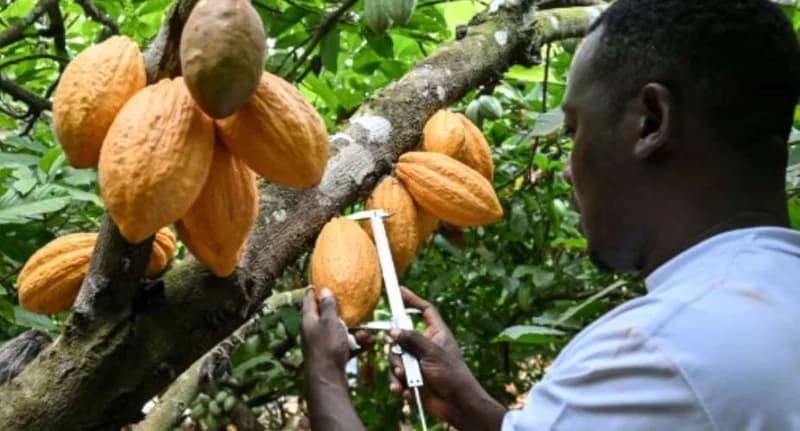
Scientists at Ivory Coast's National Center for Agronomic Research (CNRA) have developed 11 new varieties of cocoa beans designed to withstand water shortages and rising temperatures. This initiative is a response to the growing threat climate change poses to the world’s leading cocoa producer, where the sector accounts for 15% of the national gross domestic product and supports roughly five million people. By creating beans that are less sensitive to drought, researchers aim to safeguard the nation's primary export against increasingly erratic weather patterns.The research comes at a critical time for Ivorian agriculture, as average annual rainfall has been declining since the 1980s. In many regions, precipitation levels have dropped below the minimum requirements for traditional cocoa trees, leading to widespread wilting and crop failure on plantations. Scientists at the CNRA have focused on selecting and breeding strains that can maintain productivity even when water is scarce, ensuring that farmers can continue to harvest quality beans despite the changing environmental conditions.Without significant intervention and the adoption of these climate-resilient varieties, experts warn that cocoa production in Ivory Coast could plummet by as much as 20% by 2050. Farmers on the ground, such as Kofi Alexis Amani, are already seeing the devastating effects of the climate shift firsthand as their trees wither during prolonged dry spells. While some growers have begun intercropping cocoa with other tree species to provide shade and retain soil moisture, the development of these 11 specialized varieties is seen as the most vital step toward long-term sustainability.The successful deployment of these drought-resistant beans will be essential for the economic stability of Ivory Coast and the global cocoa market. As extreme weather events become more frequent, the transition to these new varieties will require a concerted effort between research institutions, the government, and local farming communities. Protecting the cocoa industry remains a priority for preserving both the national economy and the livelihoods of millions who depend on the crop.
