••
Ivory Coast cocoa production may drop 25% due to El Nino
•2 min read•1 source
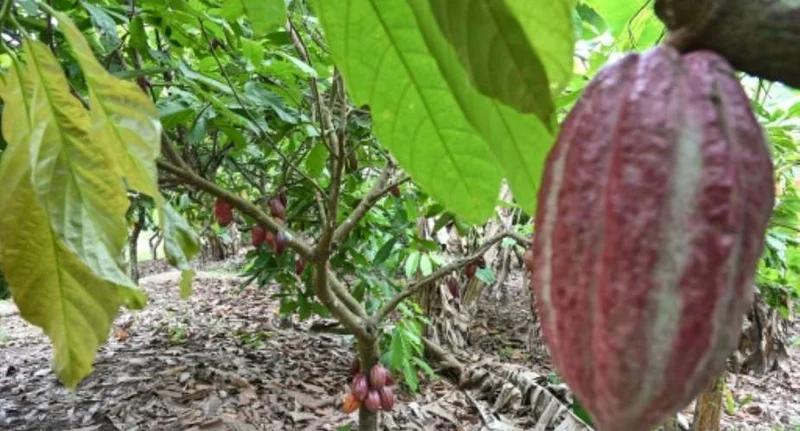
Ivory Coast, the world's top cocoa producer, is facing a potential output decline of 21% to 25% as the El Nino weather phenomenon intensifies. Meteorologists have warned that the strong climatic pattern, which is expected to peak in December, poses a significant threat to the agricultural backbone of the West African nation. This forecasted drop in yields comes at a critical time for global cocoa markets, where Ivory Coast plays a dominant role in supply.
The impact of El Nino is characterized by extreme weather fluctuations, including erratic rainfall and higher-than-average temperatures. These conditions are detrimental to cocoa cultivation, often leading to tree defoliation and significantly lower pod yields. Because cocoa accounts for roughly 15% of the Ivory Coast’s Gross Domestic Product (GDP), such a substantial decrease in production would result in severe income losses for approximately five million people who depend on the sector for their livelihoods. Furthermore, the state expects a corresponding decline in export revenues, which could strain national fiscal stability.
In response to these recurring climate challenges, scientists and agricultural experts are intensifying efforts to safeguard the industry. Research is currently focused on developing drought-resistant cocoa bean varieties designed to withstand the harsh conditions brought on by climate change and cyclical events like El Nino. While these long-term agricultural innovations offer hope for future resilience, the immediate focus for the government and stakeholders remains on managing the economic shocks anticipated from the current season's projected shortfall.