••
Ismaël Nabé highlights AI and regional trade at World Bank meetings
•2 min read•1 source
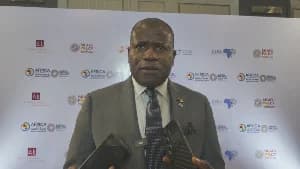
Guinea’s Minister of Planning, Development and International Cooperation, Ismaël Nabé, has underscored the transformative potential of artificial intelligence (AI) and regional trade in accelerating Africa’s economic development. Speaking at the 2026 Africa at the World Bank and International Monetary Fund (IMF) Annual Meetings held in Bangkok, Thailand, the Minister articulated a vision where technological innovation and infrastructure are central to the continent's progress. He emphasized that bridging the digital and physical infrastructure gaps is essential for African nations to remain competitive on the global stage.
During his address, Nabé pointed to the critical role that AI can play in modernising African economies. He noted that by embracing these emerging technologies, African nations can overcome traditional hurdles to productivity and service delivery. The Minister’s remarks suggest that digital transformation should be viewed as a catalyst for industrialisation across the continent, provided that the necessary digital frameworks and human capital are developed to sustain these advancements. This focus on technology aligns with a broader shift toward data-driven governance and economic planning.
Beyond technology, the Minister focused on the necessity of improving regional trade mechanisms to support Africa’s economic growth. He emphasized that the success of continental integration efforts depends heavily on the physical and economic connectivity between nations. By strengthening economic cooperation and investing in cross-border infrastructure, Nabé argued that Africa could create a more resilient and integrated market. This approach is intended to facilitate the smoother movement of goods and services, ultimately reducing the cost of doing business across African borders.
Nabé’s participation in the Bangkok meetings reflects a continued effort by African leaders to secure international support and investment for the continent's development goals. He concluded by reiterating that the combination of strategic technology adoption and enhanced regional trade is vital for ensuring Africa’s long-term economic stability. The Minister’s insights highlighted the ongoing dialogue between African nations and global financial institutions on how best to navigate the evolving global economic landscape while meeting the specific needs of the continent.

