••
International Needs Ghana hosts mentorship sessions on child marriage
•2 min read•1 source
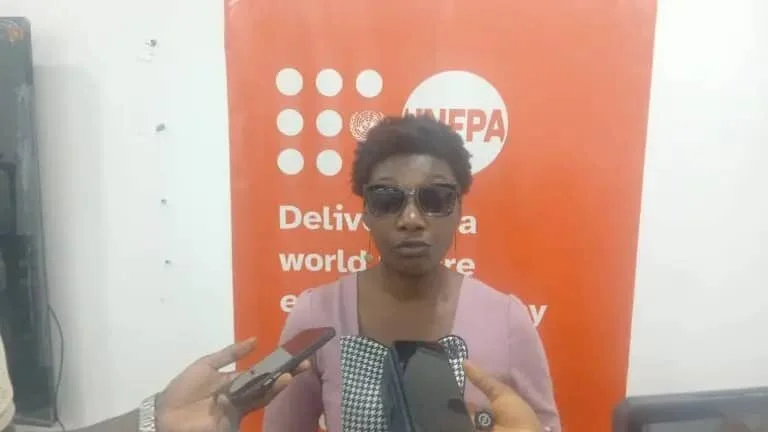
International Needs Ghana (INGH) has commenced a series of community engagements and mentorship sessions under the Promoting Regional Adolescent Safe Spaces (PASS) Project. The initiative is designed to address the prevalence of child marriage and sexual and gender-based violence (SGBV) across several districts in Ghana. Supported by the United Nations Population Fund (UNFPA) and funded by Global Affairs Canada, the project specifically targets adolescents between the ages of 10 and 19, providing them with critical information and access to essential support services to navigate the challenges of youth.
The recent mentorship sessions brought together a diverse group of stakeholders, including local police officers, educators, and health professionals, to create a holistic support network for young people. By facilitating these community discussions, INGH aims to dismantle harmful social norms and cultural practices that perpetuate child marriage. The sessions emphasize the importance of adolescent empowerment, encouraging participants to understand their rights and the various resources available to them if they face threats of violence, coercion, or forced marriage.
Beyond direct engagement with adolescents, the PASS Project highlights the indispensable role of parents and community leaders in fostering a protective environment. Organizers stressed that lasting change requires active parental responsibility and the commitment of traditional authorities to safeguard the future of young girls. Although the project is operating within specific phases, regions like the Central Region remain active in these key adolescent empowerment initiatives to ensure a continuous effort toward ending harmful traditional practices.
The long-term goal of the PASS Phase II initiative is to ensure that girls can transition safely and healthily into adulthood, with a specific target to end child marriage in the country by 2030. By strengthening regional safe spaces, INGH and its partners hope to reduce the vulnerability of adolescents and provide them with the tools needed to pursue their education and professional aspirations without the interruption of early marriage or gender-based abuse.