••
Indonesia Faces Public Health Emergency as Wildfires Spark 175,000 Respiratory Illness Cases
•2 min read•1 source
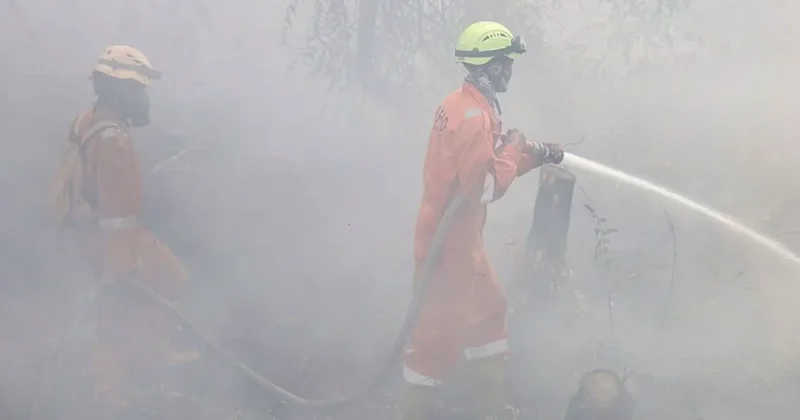
Indonesia is grappling with a severe public health crisis as ongoing wildfires have led to more than 175,000 reported cases of respiratory illness since August. The health emergency is particularly acute among the nation’s youngest citizens, with over 40,000 cases identified in toddlers. This surge in illness, which includes a rise in pneumonia and other severe respiratory conditions, has been driven by toxic smog that has enveloped large parts of the country, leading to widespread hospitalizations and the closure of schools in the most affected regions.
The scale of the crisis has been significantly exacerbated by a severe "Godzilla" El Niño weather pattern, which has created unusually dry conditions across the archipelago. This has resulted in the detection of over 734,000 hotspots, with the fires consuming a land area nearly six times the size of Greater London. The resulting haze has not remained confined within Indonesia's borders; toxic smog has drifted across the region, severely affecting air quality in neighboring Malaysia and Singapore, creating a cross-border environmental and health challenge.
In response to the escalating disaster, the Indonesian government has mobilized a massive relief effort involving more than 54,000 personnel. These teams are working alongside a fleet of water-bombing aircraft to contain the blazes, primarily concentrated in Borneo and Sumatra. Despite these efforts, the sheer number of fire hotspots has made containment difficult. The health ministry noted a sharp escalation in the crisis in early September, reporting that the number of respiratory cases had more than doubled in just a few weeks as the air quality reached dangerous levels.
Beyond the immediate impact on human health and education, the wildfires are taking a devastating toll on Indonesia's unique biodiversity. The fires have directly threatened the habitats of critically endangered wildlife, specifically orangutans. Conservationists have reported tragic losses, including the death of a rescued orangutan from hypoxia caused by the thick smoke. As authorities continue to battle the flames, the long-term health implications for the population and the ecological damage to the region's rainforests remain a primary concern for both local officials and international environmental observers.
