••
Indo-Ghana Industries and COBAANA Spearhead Healthcare Infrastructure Upgrades as Disease Patterns Shift
•3 min read•4 sources
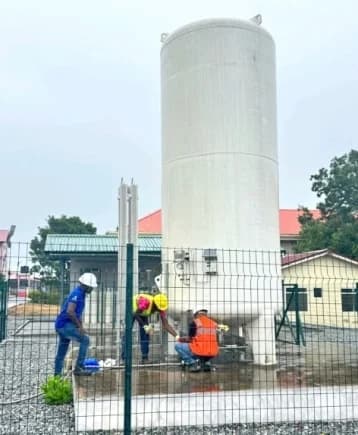
Ghana's healthcare sector is undergoing a significant transformation characterized by enhanced medical supply chains and targeted infrastructure development. A major milestone was recently reached as Indo-Ghana Industries Limited launched the local supply of liquid medical oxygen, transitioning from traditional cylinder distribution to a more stable, storage-based system. Simultaneously, the Bono, Bono East, and Ahafo regions are set to benefit from a new $1.7 million medical center in Sunyani, funded by the Convention of the Council of Bono and Ahafo Associations of North America (COBAANA). These advancements come at a critical time when healthcare providers are reporting a significant shift in disease prevalence across the country.
The move toward liquid oxygen supply marks a pivot in how hospitals manage critical care resources. Lekma Hospital in Teshie became the first facility to receive a delivery under this new system, utilizing a newly installed cryogenic storage tank. According to Varun Tyagi, Managing Director of Indo-Ghana Industries, this system addresses the logistical bottlenecks of transporting heavy cylinders and allows hospitals to maintain a consistent oxygen supply for up to three months. Clinical staff at Lekma Hospital have already reported improvements, noting that the constant flow and pressure of oxygen have significantly enhanced patient care while reducing the risks associated with emergency delivery delays.
While infrastructure improves, medical professionals are sounding the alarm on changing epidemiological trends. At Atebubu Municipal Hospital, Medical Superintendent Dr. Abdullah Osman Musah reported a decline in malaria cases—a testament to successful public health initiatives—but noted a concerning rise in non-communicable diseases (NCDs) such as stroke and heart disease, as well as typhoid and diarrhoeal infections. This rise in chronic conditions is mirrored in the Bono regions, where the increasing rate of renal complications necessitated the COBAANA-funded dialysis center. Once completed, the Sunyani facility will provide essential care to patients who previously had to travel long distances, while also creating job opportunities for local healthcare professionals.
However, experts warn that physical infrastructure alone is insufficient to modernize the sector. Analysis from healthcare innovators suggests that Ghana must bridge the gap between startup enthusiasm and real-world implementation. The upcoming Medical Innovation Expo at Academic City University highlights the need for a robust ecosystem involving clinicians, regulators, and investors to validate new medical devices and digital health solutions. As Ghana moves forward, the focus must remain on building sustainable pathways that integrate local innovations into the national health system to ensure long-term resilience and improved patient outcomes.

