••
Bank of Ghana and Finance Ministry Move to Stabilize Markets Amid IMF Calls for Crypto Regulation
•3 min read•8 sources
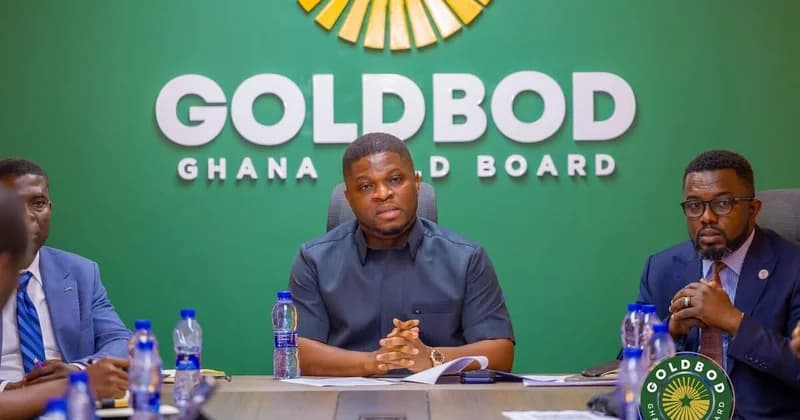
The International Monetary Fund (IMF) has called for urgent collaboration between the Bank of Ghana (BoG) and the Securities and Exchange Commission (SEC) to align risk assessment frameworks for cryptocurrency. This recommendation comes as Ghana emerges as the fifth largest crypto market in sub-Saharan Africa, with an estimated $21 billion in annual transactions. To address systemic financial risks and enhance data exchange, the IMF is advocating for a unified reporting framework that moves beyond just dual-regulated entities to cover the broader digital asset landscape. Simultaneously, the Ghana Gold Board (GoldBod) has introduced a new Spot FX and Intermediation Framework to stabilize the foreign exchange market. Operating through the GoldBod GoFX platform, the initiative will sell spot dollars to authorized banks twice weekly, aiming to provide predictable access to currency and reduce speculative demand.
In the broader financial markets, the Ghanaian Cedi has recently recorded a mixed performance. As of early October 2026, the currency was trading at an average selling rate of GHS 12.25 at forex bureaus, while the Bank of Ghana’s interbank rate remained lower at GHS 11.72. Despite some depreciation, the government's domestic borrowing efforts saw a significant boost. The latest Treasury bills auction exceeded its target by 30.52%, raising GH""2.93 billion. Interest rates across the yield curve saw slight declines, with the 91-day bill dropping to 4.64%, suggesting a softening demand that analysts at Databank Research expect will stabilize yields in the coming weeks.
On the policy and enforcement front, Finance Minister Dr. Cassiel Ato Forson has announced intentions to renegotiate the National Lottery Authority’s (NLA) revenue-sharing agreement with KGL. Dr. Forson argued that the current arrangement disproportionately favors the private partner at the expense of state revenue, necessitating a correction to ensure the government receives its fair share of lottery proceeds. Meanwhile, the Bank of Ghana has intensified its crackdown on the physical misuse of the national currency. In a joint operation with the Ghana Police Service, seven individuals were arrested in Accra for crafting and selling ‘money cakes’ and bouquets made from Ghana Cedi banknotes, a practice the central bank maintains undermines the integrity of the legal tender.
Looking ahead, regulators are also being urged to remain vigilant regarding the real estate sector, which has been identified as a potential hotspot for money laundering. As criminals seek to hide illicit wealth through property acquisitions, the government is facing calls to strengthen oversight to prevent the sector from becoming a haven for financial crime. These multi-pronged efforts—ranging from currency stabilization and crypto regulation to revenue protection and criminal enforcement—represent a concerted push by the Mahama administration's economic team to maintain fiscal discipline and market transparency in an increasingly complex financial environment.
Live rates
Ghana gold price →

