••
IMF delegation assesses Tema Oil Refinery rehabilitation efforts
•2 min read•1 source
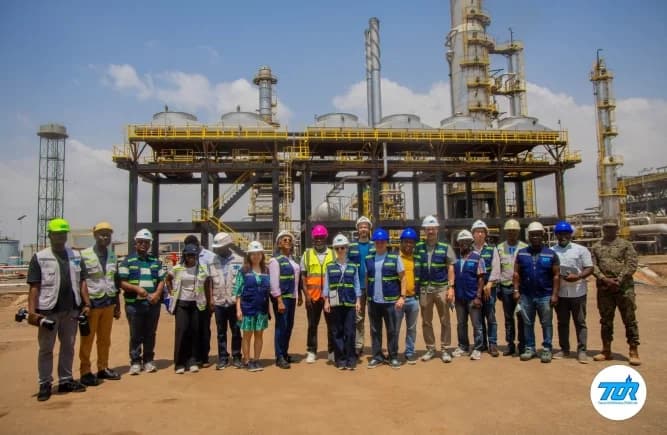
A delegation from the International Monetary Fund (IMF) has visited the Tema Oil Refinery (TOR) to evaluate its operational stability and financial recovery progress. Led by Dr. Adrian Alter, the team focused on the refinery's ongoing rehabilitation efforts and its strategy for achieving long-term fiscal sustainability. The visit serves as a critical assessment of TOR’s ability to manage its operations and resolve legacy financial challenges within the context of Ghana's broader economic recovery.
During the engagement, TOR Managing Director Edmond Kombat detailed the operational hurdles the refinery has faced, particularly a backlog of unaudited accounts and a lack of direct government investment since May 2025. In the absence of external funding, the refinery has been forced to rely on internally generated funds to sustain its maintenance and rehabilitation projects. Kombat emphasized that maintaining strict financial discipline is currently the management's primary focus as they work to restore the facility's full capacity.
Central to the discussions was the refinery’s effort to restructure approximately $120 million in inherited debt. The management is currently in negotiations with the government to address these liabilities, which have long hampered the facility's growth. Despite these financial constraints, the refinery has managed to process approximately five million barrels of crude oil recently. Management expressed confidence that increasing domestic processing will lead to better price stability for petroleum products across the country.
Looking ahead, the refinery aims to transition from recovery to growth, with plans to eventually list on the Ghana Stock Exchange (GSE) to attract private capital. The IMF delegation’s assessment of these recovery efforts will be vital in determining the refinery's readiness for such a move. By addressing its debt and auditing its financial records, TOR seeks to reposition itself as a profitable state asset capable of ensuring energy security and reducing the nation’s dependence on imported refined fuel.

