••
ILO reports Africa added 4.2 million domestic workers since 2019
•2 min read•1 source
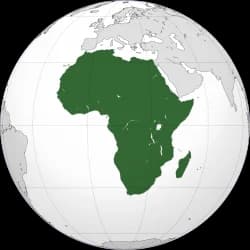
The International Labour Organization (ILO) has revealed that Africa recorded the highest increase in domestic workers globally between 2019 and 2025. During this period, the continent added 4.2 million people to the domestic workforce, a surge that highlights the region's expanding labor market. However, the report underscores a persistent and significant challenge: 93.3% of these workers remain in informal employment. This lack of formal recognition means that the vast majority of domestic workers across the continent operate without adequate social protections or basic labor rights.
Globally, the ILO estimates that approximately 80 million individuals are employed as domestic workers. While the sector provides essential services and livelihoods for millions, the high rate of informality in Africa remains a major hurdle to achieving decent work standards. Those in informal roles typically earn significantly less than their counterparts in formal employment and are often excluded from legal frameworks that regulate working hours, minimum wages, and safety standards. The report notes that demographic shifts and changing migration patterns are expected to further reshape these labor markets in the coming years.
In light of these findings, the ILO is calling for more robust implementation of labor protections and policies designed to formalize the domestic work sector. The organization emphasizes that while the growth in numbers represents a significant portion of the workforce, the quality of employment must be improved to ensure that workers are not left vulnerable. Strengthening legal protections and ensuring that domestic workers are integrated into national social security systems are seen as critical steps toward enhancing conditions for millions of workers across the African continent.