••
IGP Yohuno Urges Road Safety Caution as Military Enhances Joint Operational Readiness at NAVTRAC
•2 min read•5 sources
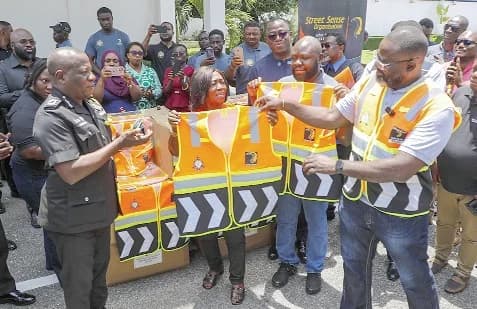
In a week marked by significant updates to Ghana's safety and security infrastructure, Inspector-General of Police (IGP) Christian Tetteh Yohuno has issued a critical call for motorists to exercise maximum caution to curb the rising tide of road accidents. Speaking at an event in Accra on October 5, 2026, the IGP expressed deep concern over the increasing number of fatalities and injuries on the country's roads, urging drivers to prioritize the protection of pedestrians and other road users. This appeal coincided with the receipt of 1,000 reflective vests donated by the Street Sense Organisation, which are intended to bolster the visibility and safety of the 3,000 police officers currently deployed daily to manage traffic nationwide. The IGP also announced that the implementation of the TRAFFITECH-GH automated traffic management system has been rescheduled to November 1, 2026, to allow for further public education and sensitization. Parallel to these civil safety efforts, the Ghana Armed Forces are intensifying their focus on inter-Service cooperation and operational readiness. On October 2, 2026, students from the Artillery Training School conducted a strategic educational visit to the Naval Training Command (NAVTRAC) in Nutekpor. This visit was designed to deepen the students' understanding of naval fire support and the complexities of joint military operations, ensuring that different branches of the military can operate seamlessly in combined environments. Lieutenant Commander Kwame Ofori-Boateng led the session, delivering a comprehensive lecture on the integration of naval gunfire support into land-based operations and the essential nature of coordination for tactical success. During the visit, the artillery students toured specialized facilities, including the Lillie May Didreksen Simulation Centre and the 'Ship-in-a-Box' training unit. These practical exercises allowed the personnel to witness firsthand the modern training methodologies and naval capabilities that complement land forces in various operational scenarios. The experience underscored the significance of inter-Service collaboration in enhancing the military's overall effectiveness. These developments across both the police service and the military highlight a unified national effort toward institutional modernization and safety. While the police focus on civil safety through improved traffic management and public engagement, the military’s emphasis on inter-service training ensures a more robust defense capability. Moving forward, the successful launch of TRAFFITECH-GH in November and the continued integration of military training programs are expected to significantly improve Ghana’s institutional response to domestic and external security requirements.


