••
Institute for Fiscal Studies reports $6.56bn annual loss in mining revenue
•2 min read•3 sources
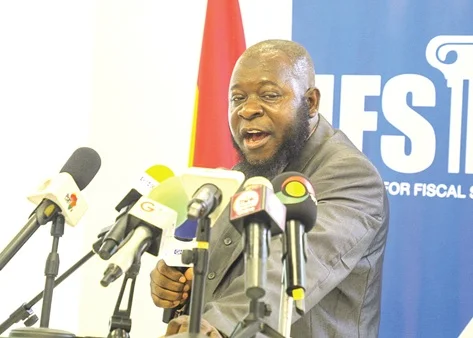
The Institute for Fiscal Studies (IFS) has revealed that Ghana is losing an estimated $6.56 billion annually in potential revenue from the mining sector. Speaking at a policy briefing in Accra, the Executive Director of the IFS, Dr. Said Boakye, attributed these substantial losses to limited government participation in the extractive industry, alongside systemic issues such as tax evasion and the underreporting of minerals. The institute noted that while Ghana’s mining revenue reached only $1.6 billion in 2025, Botswana managed to generate $13.4 billion over a similar period by leveraging significantly stronger state involvement in its mineral resources.
According to the IFS, the disparity in revenue mobilization extends beyond just the mining sector. The research organization highlighted that Ghana could have realized an additional $15.78 billion in total revenue and grants during 2025 if it had achieved a revenue-to-GDP ratio comparable to Botswana’s. Dr. Boakye emphasized that these weak mobilization efforts are critically undermining the government's ability to fund essential national priorities, including public infrastructure projects and enhancements to public sector wages. This revenue shortfall consistently forces the country into a cycle of heavy borrowing to cover developmental needs and support a GDP per capita currently standing at $2,419.
To address these fiscal challenges, the IFS is advocating for a comprehensive reassessment of the country’s extractive sector policies ahead of the 2027 budget. The institute recommended that the government move away from traditional tax-based models toward more robust revenue-sharing agreements and direct partnerships in mining ventures. Additionally, the IFS called for a significant reduction in tax exemptions and more aggressive measures to combat revenue leakages. By securing a fairer share of its natural resource wealth, the institute argues that Ghana can build a stronger fiscal foundation and reduce its long-term reliance on external debt.

