••
IEA and NCCE Drive Constitutional Reform Discourse as NDC Grassroots Demand Greater Accountability
•3 min read•14 sources
Ghana’s political landscape is currently dominated by a vigorous push for systemic governance reforms, led by the Institute of Economic Affairs (IEA) and supported by international partners like the European Union. At the heart of these proposals is a demand to curtail the expansive appointing powers of the President to ensure merit-based public service. Justice Sophia Akuffo, representing the IEA, has emphasized that the current 1992 Constitution requires substantial revisions to differentiate public offices and introduce competitive recruitment for independent roles. While the government has acknowledged the need for stronger checks and balances, it remains hesitant regarding specific classification systems proposed by the Constitution Review Committee (CRC). These efforts are further bolstered by the National Commission for Civic Education (NCCE), which is intensifying its collaboration with the media to ensure citizens understand their rights and responsibilities during this reformative period.
Specific reforms advocated by the IEA include the direct election of Metropolitan, Municipal, and District Chief Executives (MMDCEs) by citizens, a move intended to deepen local democracy by removing the process from presidential discretion. Additionally, the IEA is championing a strict separation of powers by proposing that Members of Parliament be barred from simultaneously holding ministerial positions, a practice they argue weakens parliamentary oversight. On the judicial front, the Institute is calling for more transparent appointment processes and clearly defined procedures for the removal of the Chief Justice. Despite some calls for term extensions, the IEA maintains that the current four-year presidential term is adequate and should be preserved absent compelling evidence for change.
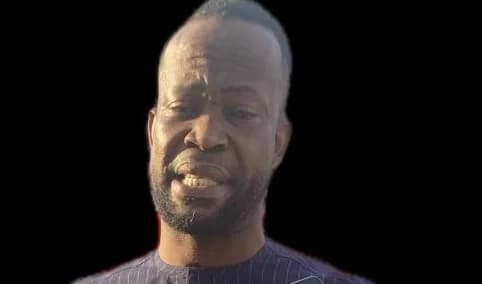
Parallel to these national reform efforts, the ruling National Democratic Congress (NDC) is facing internal pressure to strengthen its grassroots structures ahead of the 2028 elections. Party officials and aspirants across several regions have voiced concerns that political appointees are becoming detached from branch executives. Fahad Agbenyadzi, Deputy National Coordinator of the National Apprenticeship Programme and an aspirant for National Deputy Youth Organiser, has publicly urged appointees to prioritize communication with the party’s base. This sentiment is echoed by regional aspirants like Dr. Stanley Nelvis Glate in the Volta Region and James Gbandan Konzabre in the Upper East, both of whom have centered their campaigns on rebuilding member confidence and restoring the responsiveness of the party secretariat.
To address these grassroots grievances, several NDC leadership hopefuls are pledging tangible logistical support. In the Lower Manya Krobo constituency, aspirant Godwin Oblanda Totroku has committed to providing motorcycles and quarterly support for branch organisers, while Richard Ahiafor in Ho Central has called for a revival of regular engagement to make the party feel like 'home' for its members. These internal dynamics, combined with the broader constitutional review process, reflect a significant moment in Ghanaian politics where both national institutions and political parties are being pressured to move toward greater decentralization, transparency, and accountability to the citizenry.
Related topic
NDC (National Democratic Congress): Latest News →

