••
ICAO lifts 11-year airspace restrictions on Libya
•2 min read•1 source
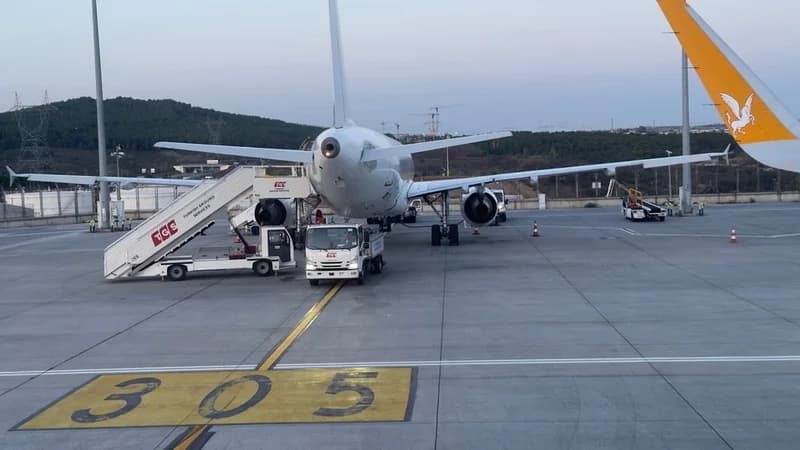
The International Civil Aviation Organisation (ICAO) has officially lifted the airspace restrictions on Libya that were first imposed in 2015 following the country's civil war. The decision, announced by ICAO Secretary General Juan Carlos Salazar during a high-level meeting in Doha, signals a significant restoration of international confidence in Libya’s civil aviation safety and infrastructure. This move effectively ends over a decade of restricted access to the North African nation’s skies for the global aviation community.
Following the announcement, Libya’s Ministry of Transport reported an immediate and substantial surge in interest from international air carriers. For the upcoming winter season, permit requests for transit flights through Libyan airspace have climbed to 61,968 per month. This figure represents a dramatic increase from the previous average of approximately 2,000 flights per month, which were primarily limited to regional destinations in neighboring countries. The ministry emphasized that the restoration of these transit routes is expected to generate significant financial revenue for the state.
The flight restrictions were originally put in place due to the instability and safety risks that emerged after the ousting of Muammar Gaddafi and the subsequent civil conflict. Since 2015, most international airlines have avoided the territory, leaving Libyan air travel isolated. ICAO’s decision to lift these measures follows an assessment of the country's improved civil aviation capabilities. The organization will now circulate this formal decision to all 193 member states for implementation across the global aviation industry.
This development marks a milestone in Libya's efforts to reintegrate into the global economy and stabilize its transport sector. While flight operations have been severely restricted for years, the lifting of ICAO sanctions paves the way for major international carriers to resume overflights and potentially direct services. Beyond the immediate economic benefits of overflight fees, the move is viewed as a key indicator of improving stability as the country seeks to project a more secure image to the international community.
