Anansi News
HomeBriefsAsk GhanaTopicsTools
•
•

Stay Informed

Get AI-curated news briefs from Ghana delivered to your inbox every morning. Free forever, no spam.

Explore

  • Home
  • Briefs
  • About

Categories

  • Politics
  • Business
  • Sports
  • Entertainment
  • Africa

Features

  • Analysis
  • Cedi Rates
  • Dollar to Cedi
  • Ghana Gold Price
  • BoG Policy Rate

Topics

  • Armed Forces Recruitment
  • WAEC Results & News
  • Nana Ama McBrown
  • NDC News
  • All Topics

Legal

  • Privacy Policy
  • Terms of Service
Anansi News© 2026. All rights reserved.
Made withfor Ghana
news

Ibrahim Kailani Kpa Denies $32,000 Visa Fraud as Illegal Organ Harvesting Allegations Emerge in Abuja

Yesterday•2 min read•2 sources
Ibrahim Kailani Kpa Denies $32,000 Visa Fraud as Illegal Organ Harvesting Allegations Emerge in Abuja
  1. Home
  2. /News
  3. /Ibrahim Kailani Kpa Denies $32,000 Visa Fraud as Illegal Organ Harvesting Allegations Emerge in Abuja

Legal and law enforcement authorities in West Africa are currently addressing two high-profile cases involving allegations of exploitation and criminal misconduct. In Ghana, social media influencer and tiler Ibrahim Kailani Kpa, popularly known as "Powder Guy," has denied charges of defrauding seven individuals of approximately $32,000. Kpa is accused of falsely promising to secure visas for the United States, Canada, and Nicaragua, leveraging his online presence to attract victims. After allegedly collecting various sums between 2023 and 2026, he reportedly became uncontactable, leading the complainants to seek police intervention. Kpa has been granted bail at GH"400,000 but must report regularly to investigators as the case matures.

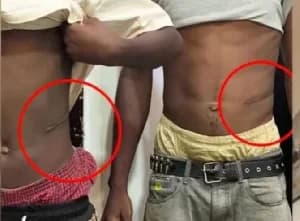
While the Ghanaian courts handle the visa fraud case, a separate and alarming allegation has surfaced in Nigeria regarding the illegal trade of human organs. Abubakar Marshal, a lawyer representing the well-known social media activist VeryDarkMan, has publicly alleged that a young man in Abuja was subjected to an unlawful kidney harvesting procedure. According to the legal representative, the victim was paid approximately N1.5 million (roughly $1,300) following the surgery. This revelation, made during a televised interview, has sparked concerns about predatory medical practices and the exploitation of vulnerable individuals in the region's capital.

These two cases, though distinct in nature, highlight a growing trend of criminal activity intersecting with social media influence and economic desperation. In the Ghanaian case, the prosecution contends that Kpa used his public platform to build false trust with individuals seeking better opportunities abroad. Similarly, the Abuja organ harvesting allegation points to a dark underbelly of illegal medical transactions where significant health risks are traded for relatively small financial gains. Both incidents have drawn significant public attention and calls for more stringent oversight of individuals using digital platforms for commercial services.

As investigations into both matters continue, they serve as a critical reminder for the public to exercise vigilance. Authorities in Ghana are expected to provide further updates on the "Powder Guy" trial as the police finalize their evidence regarding the seven complainants. Meanwhile, the allegations in Abuja have prompted discussions on the need for Nigerian law enforcement to clamp down on suspected organ trafficking syndicates. These developments underscore the importance of utilizing only verified, official channels for immigration services and medical procedures to prevent further instances of victimization.

Our Take

From the Team

Coming Soon

Our team will add key insights, trends, and actionable takeaways to help you stay informed faster.

This story touches markets covered on Anansi Intelligence ↗.

More from news

Continue exploring similar stories

Accra Loading Boy Clings to Speeding Trotro in Viral Dispute Over Unpaid Fees
news|Yesterday

Accra Loading Boy Clings to Speeding Trotro in Viral Dispute Over Unpaid Fees

A dramatic scene unfolded on the streets of Accra as a 'loading boy'—an informal worker who assists commercial drivers in securing passengers—was filmed clinging desperately to the bonnet of a moving trotro. The incident, which has since gone viral across social media platforms, reportedly stemmed from a financial dispute between the worker and the driver. According to eyewitness accounts and the footage circulating online, the driver allegedly attempted to speed away without paying the agreed-upon fee for the boy’s services in filling the minibus with commuters. The video captures the high-stakes confrontation as the vehicle maintains a significant speed while the young man holds onto the wipers and the edge of the bonnet to avoid falling onto the asphalt. Onlookers and other motorists can be heard reacting with shock and concern for the boy's safety, as any sudden braking or sharp turn could have resulted in a fatal accident. This dangerous stunt highlights the often volatile nature of the informal transport sector in Ghana, where verbal agreements and daily wage disputes frequently lead to heated physical altercations. Social media reaction to the footage has been swift and largely critical of the driver’s reckless disregard for human life. Many commenters have called for the Ghana Police Service and the Motor Transport and Traffic Directorate (MTTD) to intervene, identify the vehicle’s registration number, and hold the driver accountable. Others have pointed out the precarious working conditions of 'loading boys,' who operate without formal contracts or legal protections, making them vulnerable to exploitation by drivers who refuse to honor payment terms after their vehicles are full. This incident serves as a stark reminder of the urgent need for better regulation and safety enforcement within the commercial transport industry. While the informal 'loading' system is a staple of Ghanaian urban transit, the lack of oversight continues to pose risks to both the workers and the public. Authorities are being urged to use such viral evidence to crack down on dangerous driving behaviors and to establish more formalised systems for resolving labor disputes at trotro stations to prevent such life-threatening escalations in the future.

Ghana Federation of Labour Mourns Prominent Advocate Ellis Koomson Following His Passing at 44
news|Yesterday

Ghana Federation of Labour Mourns Prominent Advocate Ellis Koomson Following His Passing at 44

The Ghanaian labor movement is mourning the loss of Ellis Koomson, a prominent researcher and advocate who dedicated his career to social justice and workers' rights. Mr. Koomson, who served as a vital figure within the Ghana Federation of Labour (GFL), passed away on August 19, 2026, at the age of 44. His death marks a significant loss for labor advocacy in the country, as colleagues and family remember a man whose life was defined by a deep commitment to the welfare of others and the advancement of fair labor practices. Throughout his tenure with the Ghana Federation of Labour, Koomson was recognized for his rigorous approach to research and his unwavering advocacy for systemic change. He was particularly instrumental in tackling complex issues such as wage legislation and the eradication of child labor, using his expertise to influence policy and protect the most vulnerable members of society. His professional contributions were grounded in a strong academic foundation, including a Master’s degree in Development Studies with a focus on social policy. This educational background allowed him to bridge the gap between theoretical social policy and practical labor advocacy, making him an invaluable asset to the federation and the broader labor community. Born on July 27, 1982, Ellis Koomson was not only a dedicated professional but also a man of faith, a devoted husband, and a father. Those who worked alongside him describe a leader who embodied the values of lifelong learning and service. Beyond his technical skills in research, Koomson was known for his personal integrity and his ability to inspire others to join the cause of social justice. As the Ghanaian labor movement reflects on his contributions, his legacy remains a testament to the power of dedicated advocacy in shaping a more equitable society. He is survived by his family and a community of colleagues who continue to be inspired by his lifelong pursuit of justice.

Georgina Fiagbenu (6th from left), acting General Manager for Sustainability and Shared Value, MTN Ghana, and other staff members at the tree planting exercise
news|Yesterday

MTN Initiates Chepa Forest Reforestation as SONABEL Opens Bagré Dam Spillways

Ghana is witnessing dual environmental developments this week as a major reforestation drive begins in the Chepa Forest Reserve while authorities in neighboring Burkina Faso initiate the 2026 spillway discharge at the Bagré Dam. These events highlight a regional focus on ecological restoration and disaster preparedness. While the reforestation project aims to repair long-term damage from illegal logging and fuelwood harvesting, the dam's management serves as a critical precautionary measure for downstream communities often affected by seasonal flooding. The reforestation initiative in the Chepa Forest Reserve is a collaborative effort involving the telecommunications sector—specifically MTN—forestry regulators, and international conservation organizations. The project has successfully begun planting 1,666 indigenous tree species across two hectares of degraded land. By introducing fast-growing varieties, stakeholders aim to enhance soil health and create beneficial microclimates. Beyond the initial planting, the initiative includes rigorous monitoring and care protocols to ensure the survival of the saplings, moving toward a sustainable culture of tree planting to reverse years of environmental degradation. Simultaneously, Burkina Faso’s national electricity company, SONABEL, has officially commenced the 2026 spillway discharge at the Bagré Dam. As of the start of the operation at 9:53 a.m. local time, the upstream water level stood at 234.79 metres. A single spillway gate was opened to 0.41 metres, resulting in a controlled discharge of 47.72 cubic metres per second. To mitigate risks to downstream populations, authorities have utilized sirens and continuous radio broadcasts since Wednesday to alert residents, while high-risk areas have been cordoned off as a precaution. These parallel developments underscore the complex environmental landscape facing the current administration under President John Mahama. While the reforestation drive represents a proactive step toward meeting climate goals and restoring Ghana's natural heritage, the management of the Bagré Dam remains a perennial challenge requiring close coordination with Burkinabé authorities. Together, these actions emphasize the necessity of both grassroots conservation efforts and large-scale infrastructural management to protect lives, livelihoods, and the environment in the sub-region.

Severe Child Abuse Cases Spark Legal Action and Outrage in Ghana and Nigeria
news|Yesterday

Severe Child Abuse Cases Spark Legal Action and Outrage in Ghana and Nigeria

In a series of harrowing developments highlighting the ongoing struggle against child abuse in West Africa, legal authorities in Ghana and Nigeria have taken decisive action against fathers accused of brutalizing their children. These cases, involving prolonged sexual exploitation and extreme physical punishment, underscore a growing judicial intolerance for domestic violence and the critical role of community reporting in safeguarding vulnerable minors. The severity of the legal responses reflects a broader regional commitment to upholding the rights of children within the domestic sphere. In the Ghanaian case, 35-year-old mason Charles Seddoh has been sentenced to 35 years in prison for the repeated defilement of his two daughters in Oyibi, Accra. Seddoh was convicted on multiple counts of defilement and incest following a trial that revealed the abuse had been ongoing since 2018. The case was formally reported to authorities on January 31, 2025, and led to his arrest on February 4 after critical evidence surfaced. Recognizing the long-term impact of the trauma, the court has ordered that the victims receive professional psychological therapy and be moved to appropriate shelter for their protection and recovery. Across the border in Nigeria, police have arrested a man for the brutal physical assault of his two-year-old daughter on August 27, 2026. The suspect reportedly flogged the toddler with wire, leaving her with significant injuries and visible scars, allegedly because she failed to greet him. The arrest was made possible after the child's mother sought assistance from filmmaker and human rights activist Stanley Ontop, who helped bring the matter to the attention of law enforcement. The incident has drawn sharp criticism from child rights advocates who condemn the use of such extreme violence under the guise of discipline. These separate but equally disturbing incidents demonstrate the essential link between public activism and the justice system in addressing domestic crimes. While the 35-year sentence in Ghana serves as a stern deterrent against sexual predators, the swift intervention in Nigeria highlights how whistleblowers and activists are increasingly bridging the gap between victims and the authorities. Moving forward, child welfare experts emphasize that while criminal prosecution is vital, sustained support for survivors and community-based education are necessary to dismantle the cultures of silence that often surround domestic abuse.

All
africa
business
education
entertainment
health
news
politics
sports
technology