••
NFF Leadership Resigns: Ibrahim Gusau and Executive Committee Step Down Amid Governance Crisis and Reform Mandate
•3 min read•3 sources
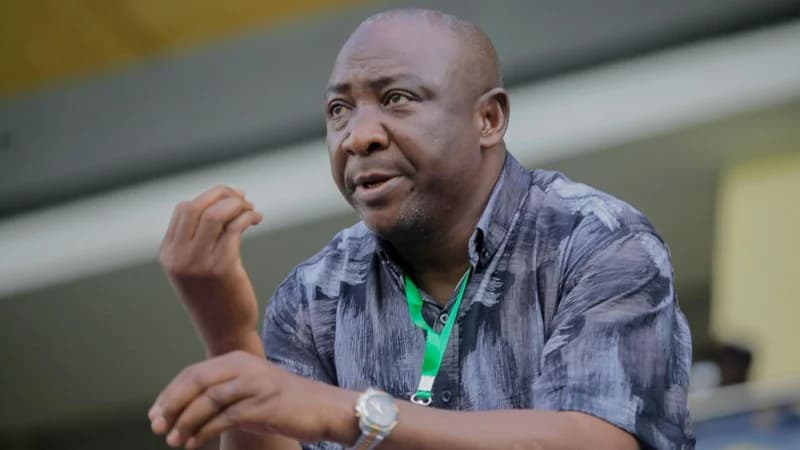
The Nigeria Football Federation (NFF) has been plunged into a leadership crisis following the mass resignation of its entire executive committee, including President Ibrahim Gusau and General Secretary Mohammed Sanusi. The departures, announced during a press conference in Abuja, create a significant power vacuum at the helm of Nigerian football. Gusau, who cited extensive consultations with stakeholders and family, stepped down amidst mounting pressure over the persistent underperformance of the country's national teams. The crisis reached a breaking point following the Super Falcons’ failure to qualify for the 2027 Women’s World Cup—ending a perfect qualification record dating back to 1991—and the Super Eagles’ absence from the last two FIFA World Cups.
The resignations come against a backdrop of intensifying scrutiny regarding the federation's governance and financial management. Critics have pointed to issues surrounding a significant intervention fund intended to clear outstanding debts, as well as questionable team selection practices and general administrative lapses. Stakeholders, including former international players, have been vocal in their demands for a total overhaul of the administration, arguing that the previous leadership failed to foster accountability or sustainable development. In response to the vacuum, an emergency congress was convened to navigate the legal and statutory complexities of the transition, with some officials suggesting the potential involvement of a FIFA-backed normalization committee to restore stability.
In light of the collapse of the NFF leadership, President Bola Tinubu has mandated comprehensive reforms to address these long-standing institutional challenges. As part of this restructuring, an interim board has been established to manage the federation’s affairs in the immediate future. Emmanuel Ikpeme has been appointed as the interim General Secretary, supported by Ademola Olajire as Deputy General Secretary. Consequently, the NFF elective congress previously scheduled for September 27 has been suspended indefinitely. This suspension remains in place until the government-mandated reforms are fully implemented, ensuring that future elections occur under a framework that prioritizes transparency.
The current upheaval is viewed by many in the sports community as a necessary "cultural reset" for a federation long plagued by instability. While the immediate focus remains on restoring basic administrative functions, the broader goal is to rebuild the national teams' competitive edge and regain the confidence of the Nigerian public. As the interim leadership takes charge, the success of these reforms will likely determine whether Nigerian football can finally move past this period of crisis and establish a more professional and accountable governance structure.
