••
Ibrahim Musa Gusau and NFF Executive Board Resign Following National Team Failures
•2 min read•2 sources
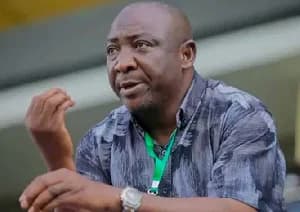
In a seismic shift for West African sports governance, Ibrahim Musa Gusau, the President of the Nigeria Football Federation (NFF), has officially resigned from his position. The departure, which was confirmed during a recent press conference in Abuja, includes General Secretary Mohammed Sanusi and the federation's entire executive committee. This collective exit follows months of mounting pressure and intense public scrutiny regarding the management of Nigerian football and the recent performance of the national teams on the global stage.
The primary catalyst for this mass resignation appears to be the disappointing results for both the men’s and women’s national teams. Specifically, the NFF leadership faced heavy criticism following the Super Eagles' failure to secure qualification for the 2026 FIFA Men's World Cup. Compounding this frustration was the Super Falcons’ elimination from contention for the 2027 Women's World Cup after a playoff defeat to South Africa. This loss marks a significant low point for the women's team, effectively ending a storied streak of World Cup appearances that dates back to 1991.
The timing of these resignations introduces significant uncertainty into the governance of Nigerian football. The departures occur just weeks before an elective congress that was originally scheduled for September 27 in Lafia. With the federation's top brass stepping down simultaneously, serious questions have been raised regarding the stability of the leadership transition and how the upcoming elections will be managed. Stakeholders are now looking for a clear roadmap to restore the country's footballing reputation and ensure a smooth handover of power.
As the dust settles on this administrative overhaul, the focus shifts to the future of the NFF and the immediate needs of the national programs. The resignation of the board represents a total reset for the federation, offering an opportunity for new leadership to address the systemic issues that led to the recent failures. The footballing community in Nigeria and across the continent will be watching closely to see how the NFF reorganizes itself to return the "Giant of Africa" to its former prominence in international competitions.
