••
HopeXchange Medical Centre urges government to fund local health research
•2 min read•1 source
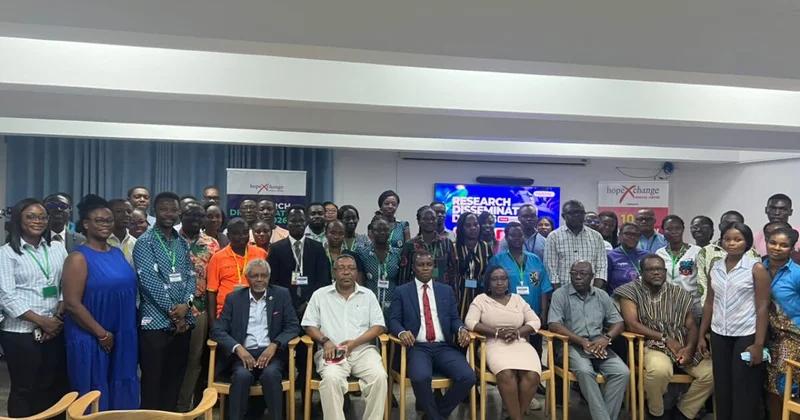
Researchers and health professionals have called on the government to significantly increase investment in local health research and ensure that scientific findings are effectively integrated into clinical practice. During the second Research Dissemination Day held at the HopeXchange Medical Centre, stakeholders emphasized that focusing on Ghana-specific health studies is essential for addressing the country’s unique medical challenges. They argued that without dedicated funding and a clear path for implementation, valuable scientific discoveries would remain confined to academic journals rather than benefiting patients on the front lines of healthcare.
Professor Philip Antwi-Agyei, speaking at the event, highlighted the persistent challenges within the healthcare sector that can only be resolved through evidence-based solutions. He noted that while research is being conducted, there is a significant gap between laboratory results and clinical application. Similarly, Dr. Fred Adomako-Boateng pointed out that several barriers prevent the adoption of effective research findings in clinics, including a lack of infrastructure and institutional support. These obstacles are particularly discouraging for young researchers, who struggle to find the resources and mentorship necessary to sustain their work in Ghana.
To bridge this gap, the researchers recommended fostering stronger collaborations between scientists and healthcare practitioners. They called for a national framework that prioritizes impactful research within clinical practice, ensuring that practitioners are involved in the research process from the outset. By aligning scientific inquiry with the practical needs of hospitals and clinics, the HopeXchange Medical Centre aims to create a culture of continuous improvement in patient care. The annual Research Dissemination Day serves as a platform for sharing knowledge and promoting a more integrated approach to health research and delivery across the country.
